
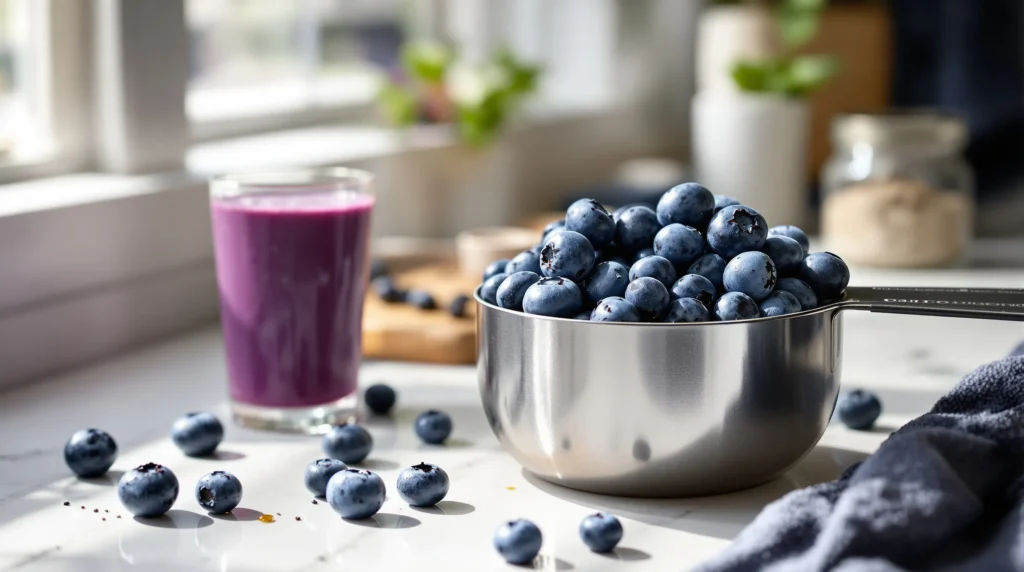
Short answer: yes, blueberries are good for you, and they’re one of the easiest everyday wins for better health. They’re sweet, portable, and play well with almost any meal. If you’ve wondered, “are blueberries good for you?” consider this your simple guide: what they do for your body, how much to eat, the best forms to buy (fresh vs. frozen vs. dried), and quick ways to enjoy them today.
What Makes Blueberries A Smart Choice
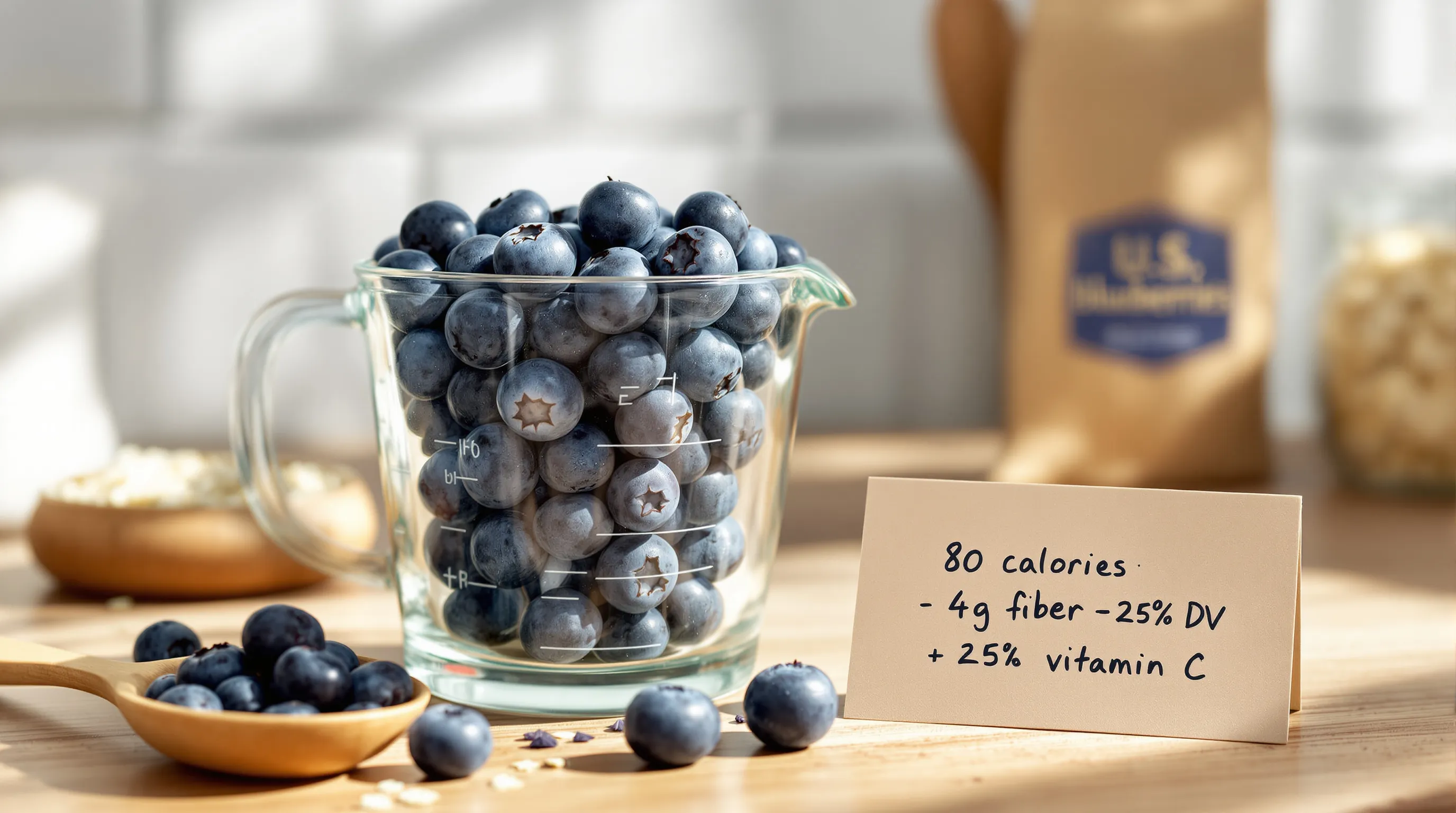
Blueberries punch way above their size. One cup has about 80 calories, 4 grams of fiber, and roughly 25% of your daily vitamin C. That deep-blue color? It comes from anthocyanins, powerful plant compounds that do a lot of the heavy lifting for heart, brain, and gut health.
Why it matters:
- Fiber helps keep you regular, supports gut health, and gives meals more staying power.
- Vitamin C supports immune health and skin collagen.
- Anthocyanins act like bodyguards against oxidative stress and inflammation.
In short: high nutrients, low calories, big payoff.
Science-Backed Benefits
Heart And Metabolic Health
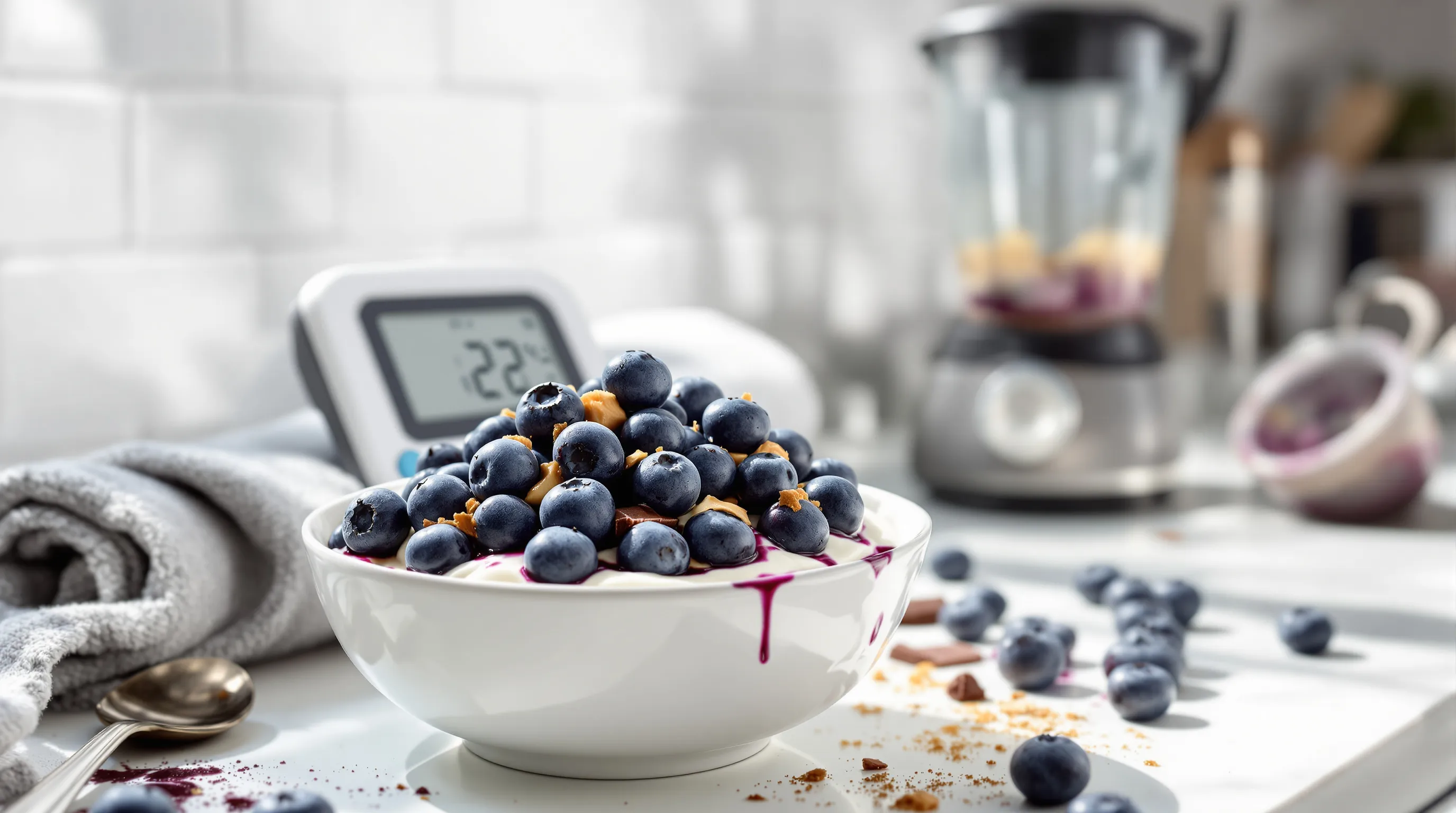
Regular blueberry eaters tend to see improvements in cardiovascular markers. Research links daily intake with better cholesterol profiles, less inflammation, and healthier blood vessel function (think: improved vasodilation and elasticity). In studies running up to 24 weeks, people with elevated blood pressure, like those with metabolic syndrome or postmenopausal women, saw meaningful drops in blood pressure. Small fruit, steady impact.
What to try:
- Add 1 cup to breakfast most days.
- Pair with a protein (yogurt, eggs, cottage cheese) for a balanced start.
Brain And Mood
Better blood flow isn’t just good for the heart: it also supports your brain. Blueberry intake has been associated with sharper executive function, stronger short-term memory, and quicker reaction times. In one trial, participants who had 26 grams of freeze-dried wild blueberry powder daily (about a cup’s worth fresh) for 12 weeks experienced cognitive perks and a 3.59 mmHg drop in systolic blood pressure.
Everyday tip:
- Swap your mid-afternoon candy for a blueberry-and-dark-chocolate combo. Fast, mood-lifting, and brain-friendly.
Blood Sugar And Gut Support
Surprisingly friendly for blood sugar, blueberries may improve insulin sensitivity in as little as six weeks. Anthocyanins also appear to support the gut barrier (less “leaky gut”), tame oxidative stress, and nudge your microbiome in a positive direction.
Make it practical:
- If you’re carb-conscious, pair blueberries with fat or protein (nut butter, Greek yogurt) to blunt blood sugar spikes.
Skin, Inflammation, And Recovery
Blueberries help calm systemic inflammation and oxidative stress, especially after workouts. That can mean better recovery and less post-gym soreness. Vitamin C also supports collagen production for skin health.
Try this post-workout:
- Smoothie with frozen blueberries, protein powder, spinach, and milk of choice. Simple, cold, and recovery-ready.
How Much To Eat And When
A Simple Serving Guide
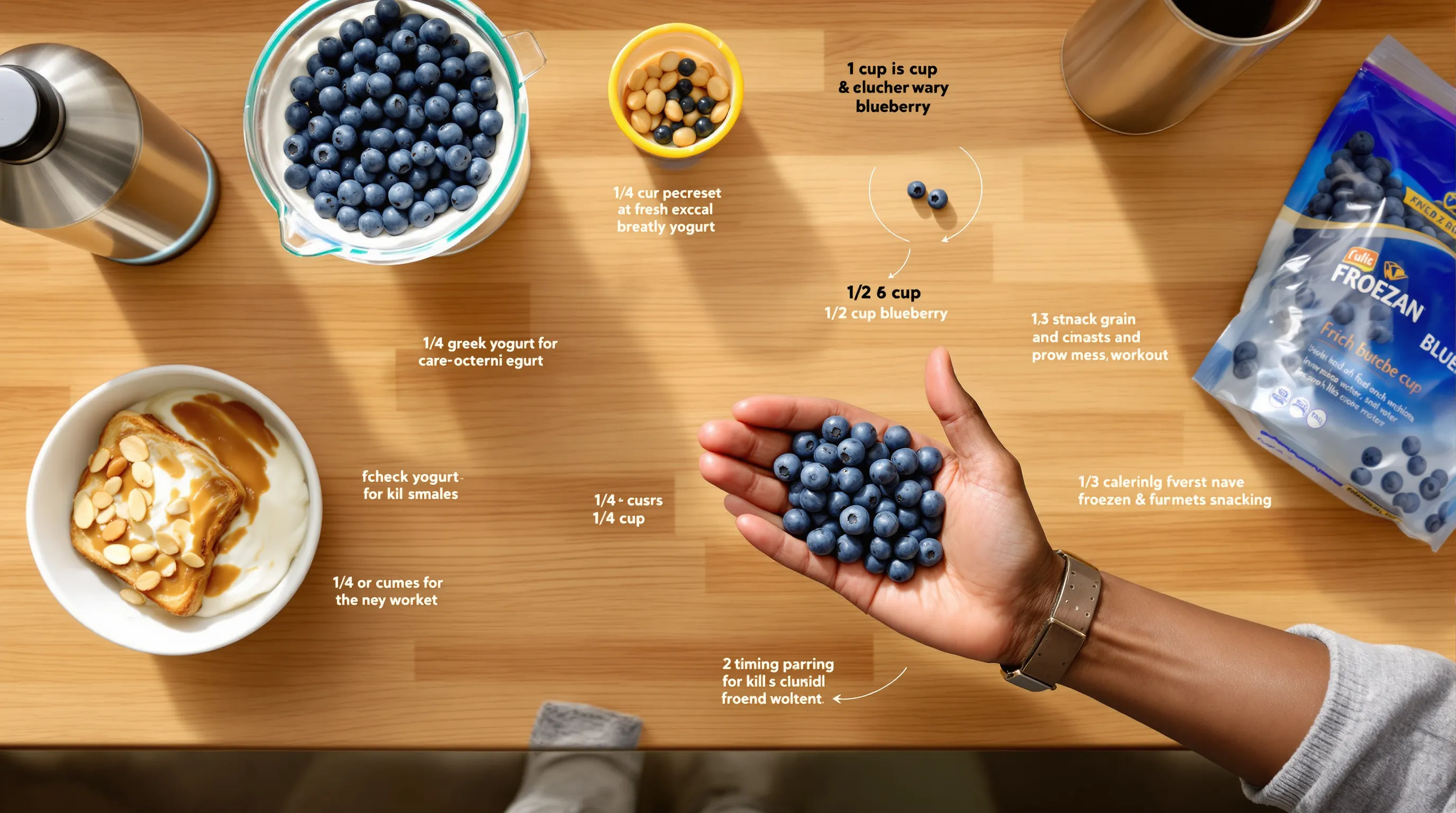
- Effective range: 1–2 cups (about 150–350 grams) daily in studies, delivering roughly 224–742 mg of anthocyanins.
- Everyday baseline: Start with 1/2–1 cup most days. A cupped palm ≈ 1/2 cup: a full fist ≈ 1 cup.
- Timing: Whenever you’ll stick with it. Breakfast is easy. Pre- or post-workout works too. Even dessert.
Pro tip: Consistency beats perfection. A cup a day is great. A few days missed? No big deal, just pick it back up.
Who May Want More Or Less
- Looking to support heart or cognitive health: Aim closer to 1–2 cups daily if it fits your calories and budget.
- Blood sugar goals: Stick to 1/2–1 cup and pair with protein/fat.
- Kidney stone history (oxalates): Keep portions moderate and vary fruits: hydrate well.
- Low-FODMAP eaters: Smaller servings (about 1/4–1/2 cup) are often easier to tolerate, test your comfort.
- Kids: A small handful at a time works. Bonus, less mess if they’re frozen.
Fresh, Frozen, Dried, Or Powdered?
Nutrition And Sugar Differences
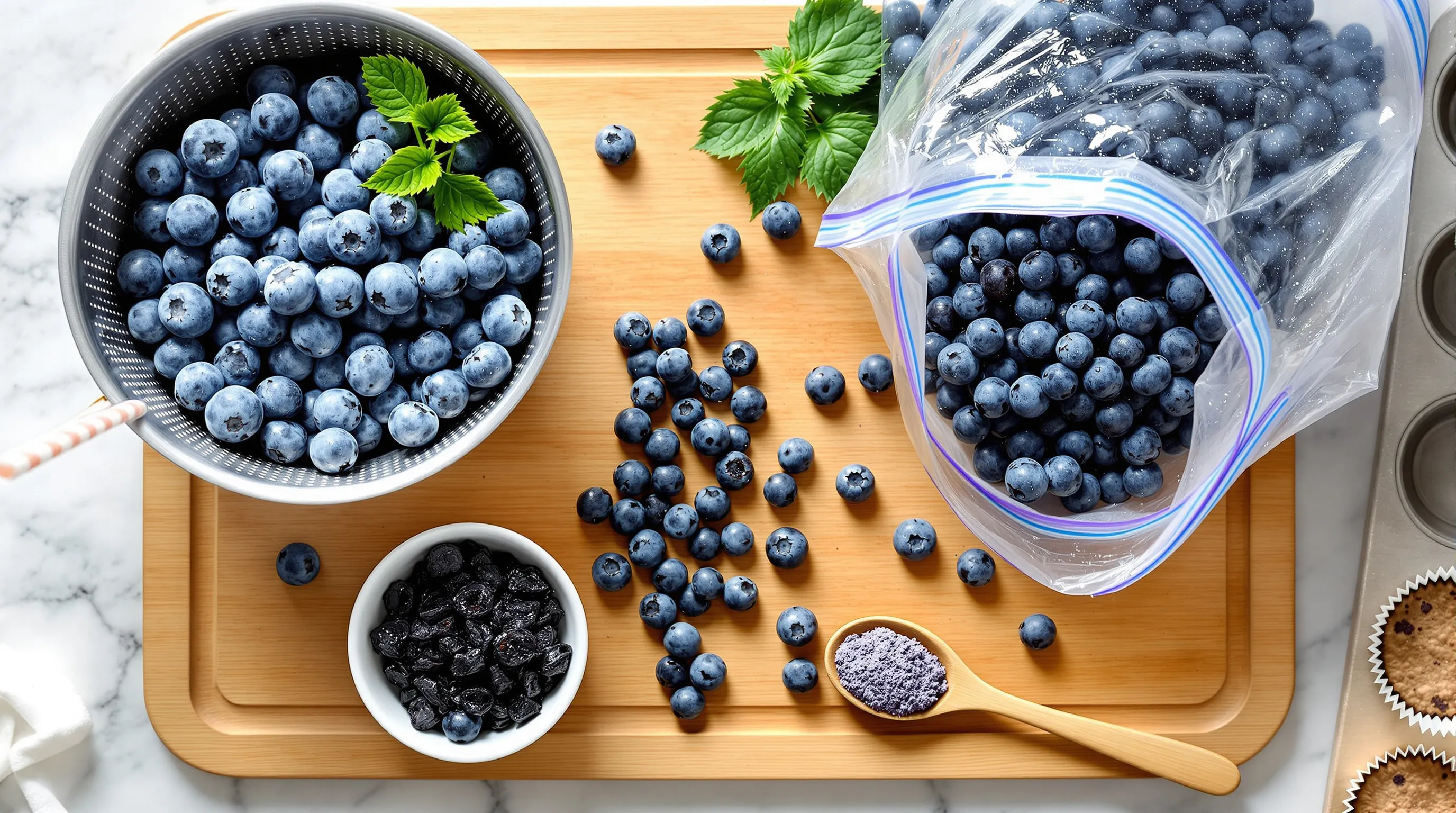
- Fresh: Hydrating, crisp, and naturally portion-friendly. Lowest sugar density per bite because of water content.
- Frozen: Picked ripe and flash-frozen, nutrients and anthocyanins hold up well. Great value year-round.
- Dried: Tasty but concentrated. Higher sugar per serving and often sweetened. Think of it as a condiment, not a base.
- Powdered (including wild blueberry powder): Convenient and concentrated anthocyanins. Handy for smoothies or travel. Check labels for additives or sugars.
Bottom line: Fresh and frozen are your everyday staples. Dried is a sprinkle. Powder is a targeted boost.
What To Choose For Smoothies, Baking, And Snacks
- Smoothies: Frozen wins for texture and chill. Wild blueberries blend smoothly and pack color and tang.
- Baking: Fresh or frozen both work. If using frozen, fold in last and dust lightly with flour to reduce bleeding.
- Snacks: Fresh for crunch. Dried for trail mix, keep portions small (a couple tablespoons).
Buying, Storage, And Budget Swaps
- Buy in season for best price and taste: freeze extras on a sheet pan, then bag.
- Off-season? Grab frozen bags, often cheaper and just as nutritious.
- Storage: Keep fresh berries dry: remove any soft ones: refrigerate unwashed and rinse right before eating. Use within 3–5 days.
- Budget tip: Choose store-brand frozen or wild blueberries. High value, great flavor.
Easy Ways To Add Blueberries Today
5-Minute Breakfasts
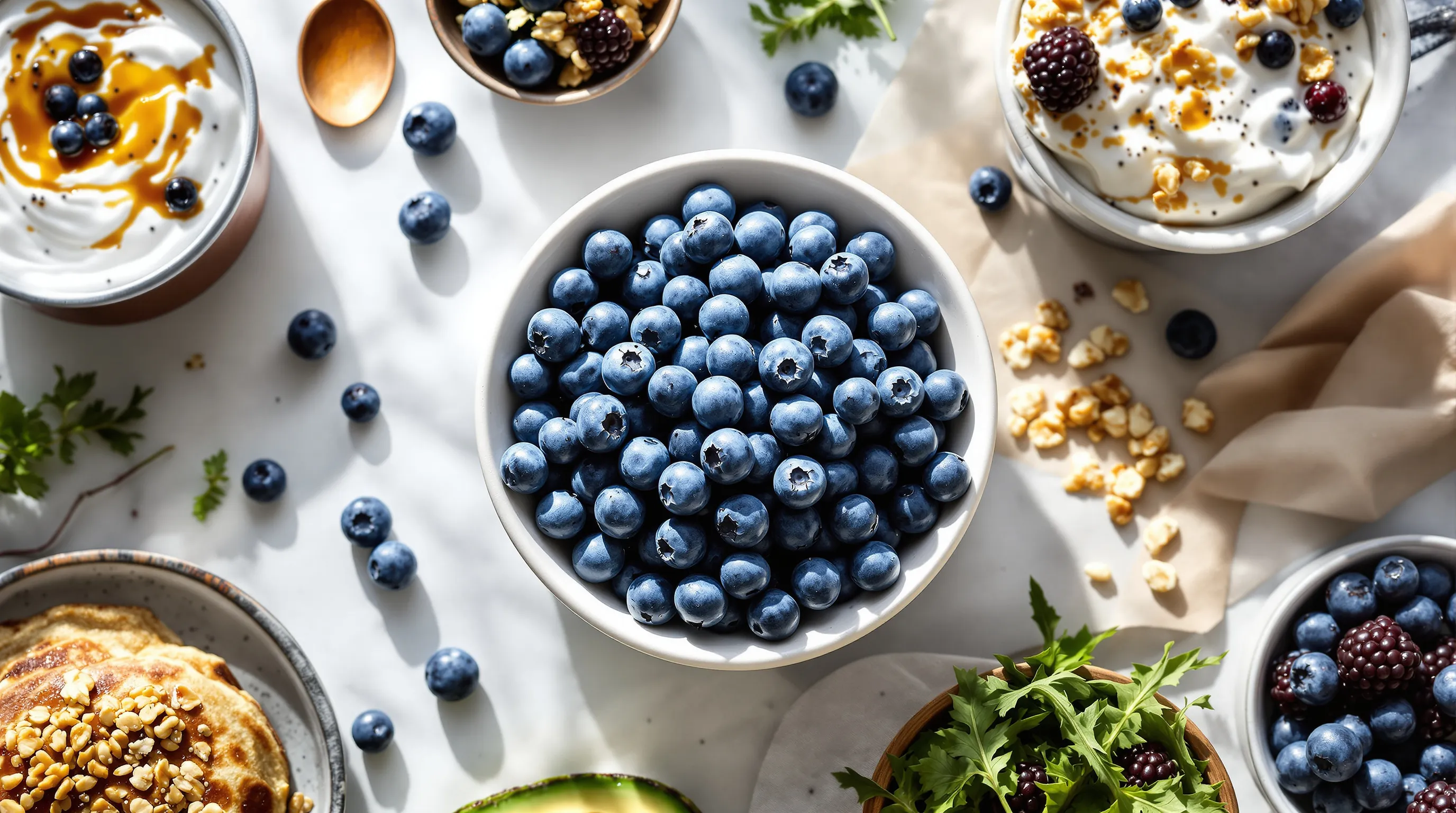
- Blueberry yogurt bowl: Greek yogurt + 1 cup blueberries + chia + drizzle of honey.
- Warm oats upgrade: Oats + frozen blueberries (stir in at the end) + peanut butter + cinnamon.
- Blender pancake hack: Add a handful of blueberries to the batter: cook in a skillet. Done.
Snacks And Simple Sweets
- Cottage cheese cup: Cottage cheese + blueberries + crushed walnuts.
- Blueberry freezer bites: Mix blueberries with melted dark chocolate, spoon onto parchment, freeze.
- Quick parfait: Layer yogurt, blueberries, and granola in a glass jar. Grab-and-go.
Savory And Salad Ideas
- Power salad: Arugula + blueberries + avocado + grilled chicken + goat cheese + balsamic.
- Grain bowl: Quinoa + roasted sweet potato + blueberries + pumpkin seeds + lemon-tahini drizzle.
- Cheese board pop: Blueberries with sharp cheddar or manchego. Sweet-salty magic.
Potential Downsides And Safety Notes
Allergies, Meds, And Oxalates
- Allergies: True blueberry allergy is uncommon but possible. If you notice itching, hives, or swelling, stop and check with your clinician.
- Medications: Blueberries contain only modest vitamin K, but if you’re on warfarin or other blood thinners, keep portions consistent and discuss any big diet changes with your healthcare team. Anthocyanins may have mild effects on platelets: data is limited, so err on consistency.
- Oxalates: If you’re prone to calcium-oxalate kidney stones, moderate portions and rotate fruits. Hydration helps.
Pesticides, Washing, And Food Safety
- Wash well: Rinse under running water and pat dry. No need for soap: a 1:3 vinegar-water soak can help if you prefer.
- Organic vs. conventional: Choose what fits your budget. If you’re concerned about residues, organic or well-rinsed frozen options are easy swaps.
- Storage safety: Refrigerate fresh berries, keep them dry, and remove spoiled ones promptly to prevent mold spread.
Conclusion
So, are blueberries good for you? Absolutely, and they’re one of the simplest daily habits to support heart health, brain function, gut balance, and recovery. Aim for 1/2–1 cup most days, and scale toward 1–2 cups if you’re targeting extra benefits and it fits your goals. Fresh or frozen works. Keep it easy: add to breakfast, blend into a smoothie, or toss onto a salad.
Let’s make healthy living simple. Grab a handful today, and enjoy the small, steady wins that add up over time. If you want more practical wellness tips like this, join the HowAboutHealthy.com community and get our monthly guide to small steps that stick.