
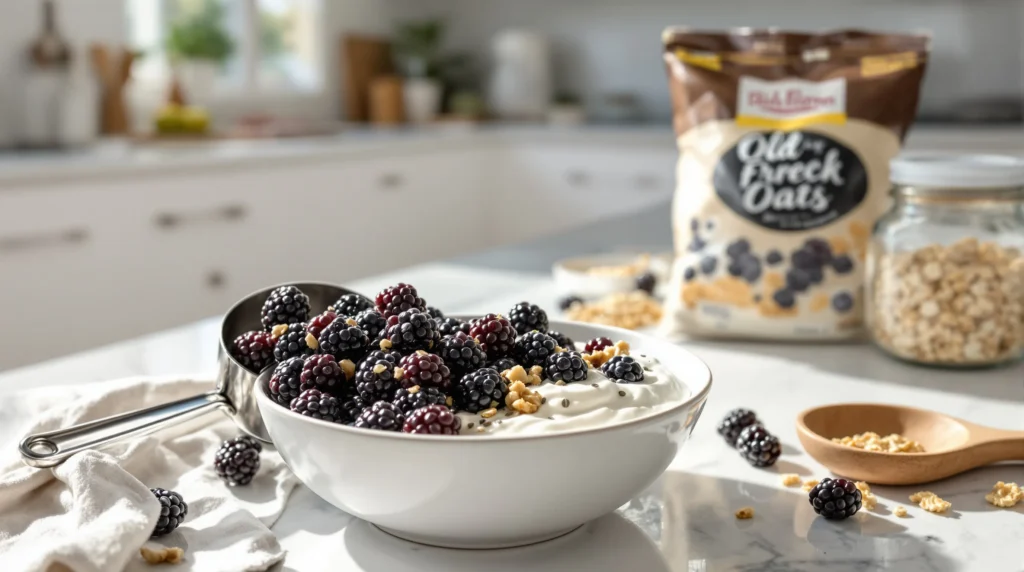
Short answer: yes, blackberries are healthy for you. They’re fiber-packed, low in calories, and loaded with antioxidants that support your heart, brain, skin, and immune system. If you’ve wondered “are blackberries good for you?” or how to add them to your day without overthinking it, you’re in the right place. Let’s translate the science into simple steps you can use today.
Blackberry Nutrition At A Glance
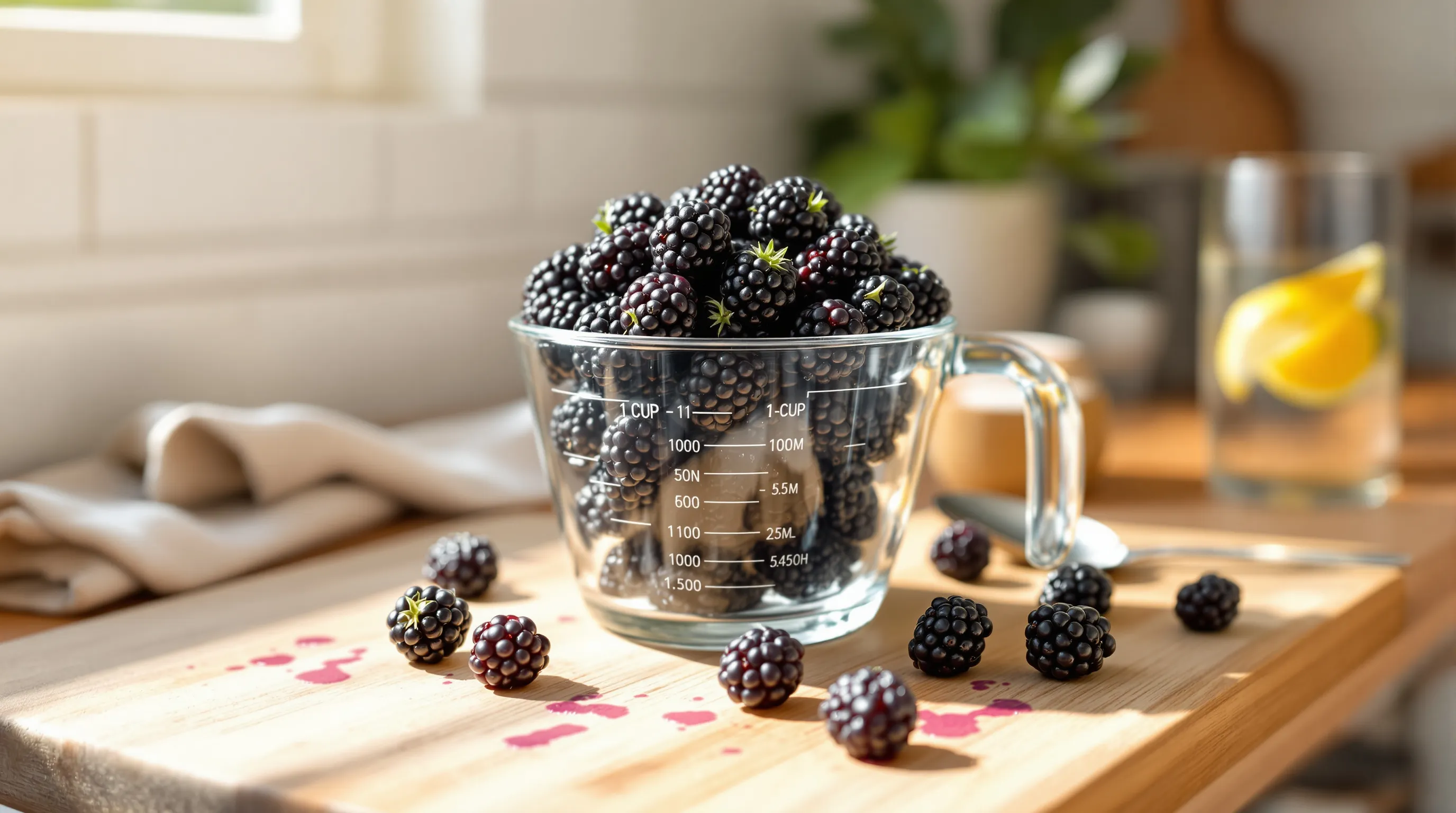
One cup of raw blackberries delivers big nutrition for very few calories: about 62 calories, 14 grams of carbs, 8 grams of fiber, 7 grams of naturally occurring sugar, roughly 2 grams of protein, and less than 1 gram of fat. That fiber-to-calorie ratio is a standout, great for fullness and steady energy.
Key Vitamins And Minerals
- Vitamin C: ~30 mg per cup (about 35% DV). Vitamin C supports collagen production, immune defenses, and wound healing.
- Vitamin K: ~28.5 mcg per cup (about 25% DV). Vitamin K helps with normal blood clotting and bone health.
- Manganese: ~0.9 mg per cup (about 39% DV). Manganese plays a role in antioxidant defenses and metabolism.
- Bonus micronutrients: small amounts of vitamins A, E, and B vitamins, plus calcium, magnesium, potassium, iron, copper, phosphorus, zinc, and selenium. Think of blackberries as a compact nutrient bundle.
Fiber, Antioxidants, And Calories
- Fiber: 8 grams per cup is substantial. That helps digestion, feeds beneficial gut bacteria, and slows the release of sugars into your bloodstream.
- Antioxidants: Blackberries are rich in anthocyanins and other phenolic compounds, the pigments that give them that deep purple-black color. These plant compounds have anti-inflammatory and antimicrobial properties and help counter everyday oxidative stress.
- Low-calorie: At about 62 calories per cup, blackberries fit easily into weight-balance goals and make a naturally sweet alternative to highly processed snacks.
Are Blackberries Good For You? Evidence-Based Benefits
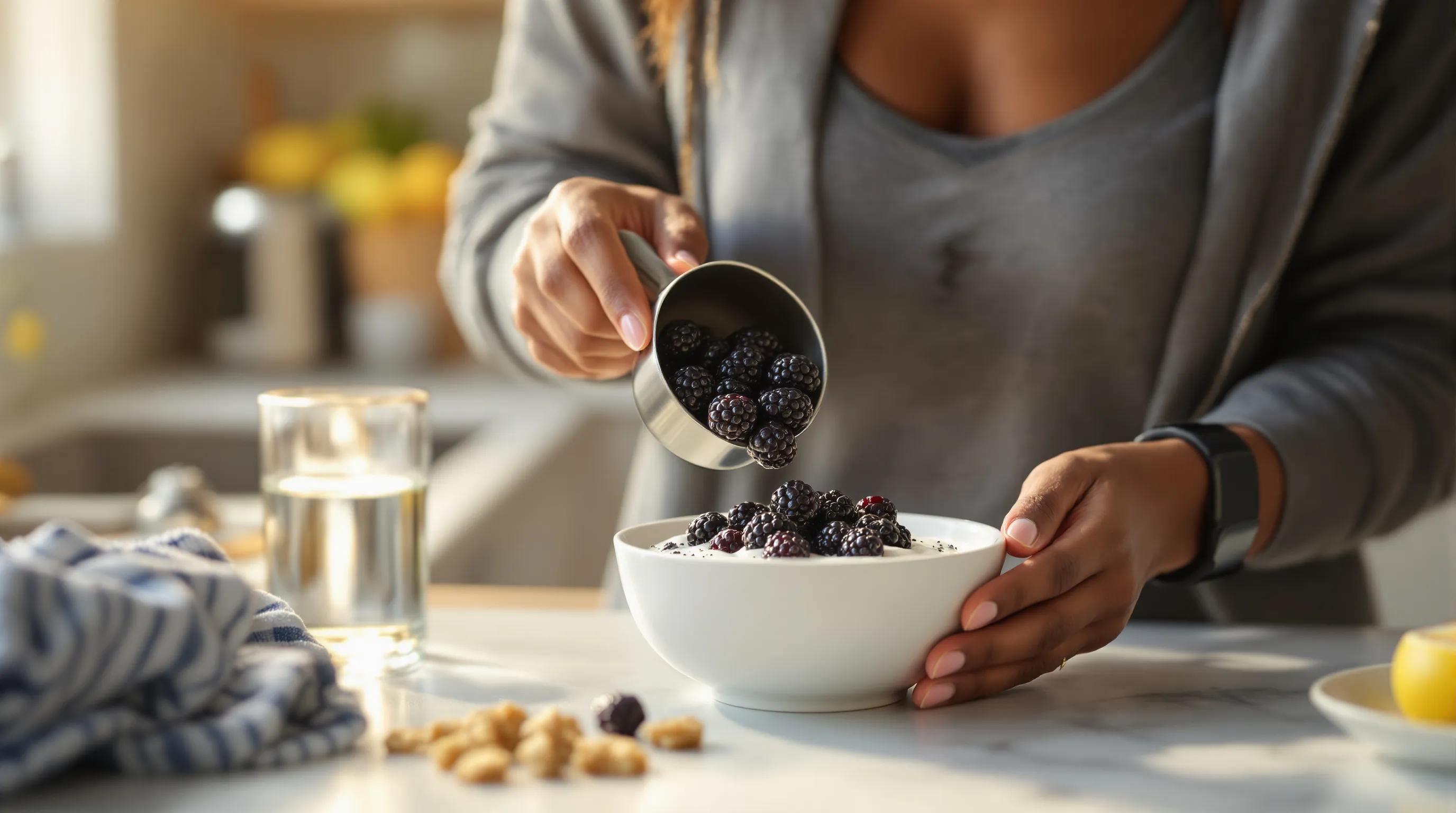
When people ask, “are blackberries healthy for you?” we like to point to their fiber-plus-antioxidant combo. It’s a powerful duo for long-term health.
Heart And Blood Vessels
The phenolic compounds in blackberries help calm inflammation and support healthy blood vessels. That, along with potassium and fiber, can be a heart-friendly mix. Regular intake of berries has been linked with improved markers like blood pressure and vascular function. Simple move: add a cup of blackberries to breakfast a few days a week.
Blood Sugar And Weight Balance
With 8 grams of fiber and only 7 grams of natural sugar per cup, blackberries are surprisingly gentle on blood sugar. Fiber slows digestion and can reduce post-meal glucose spikes. The low calorie density also supports weight balance, you get volume and sweetness without a big calorie load. Tip: pair blackberries with protein (Greek yogurt, cottage cheese, eggs) for extra staying power.
Gut And Immune Support
Fiber feeds your gut microbiome, the beneficial bacteria that help with digestion, vitamin production, and immune signaling. Vitamin C and manganese add another layer of immune support. If your digestion is sensitive, start with a smaller serving (1/2 cup) and increase as comfortable.
Brain And Healthy Aging
Those same berry pigments (anthocyanins) are being studied for neuroprotective benefits. Diets rich in colorful berries are associated with slower age-related cognitive changes. Blackberries also contribute vitamin K and antioxidants that support bone and tissue health, a quiet win for aging well.
Skin And Inflammation
Vitamin C supports collagen formation, which is key for skin elasticity and wound healing. Antioxidants help counter daily oxidative stress from sun, pollution, and exercise. It’s not a magic “glow” food, but it’s a steady helper, think inside-out skincare.
Fresh, Frozen, Dried, Or Juice: What To Choose
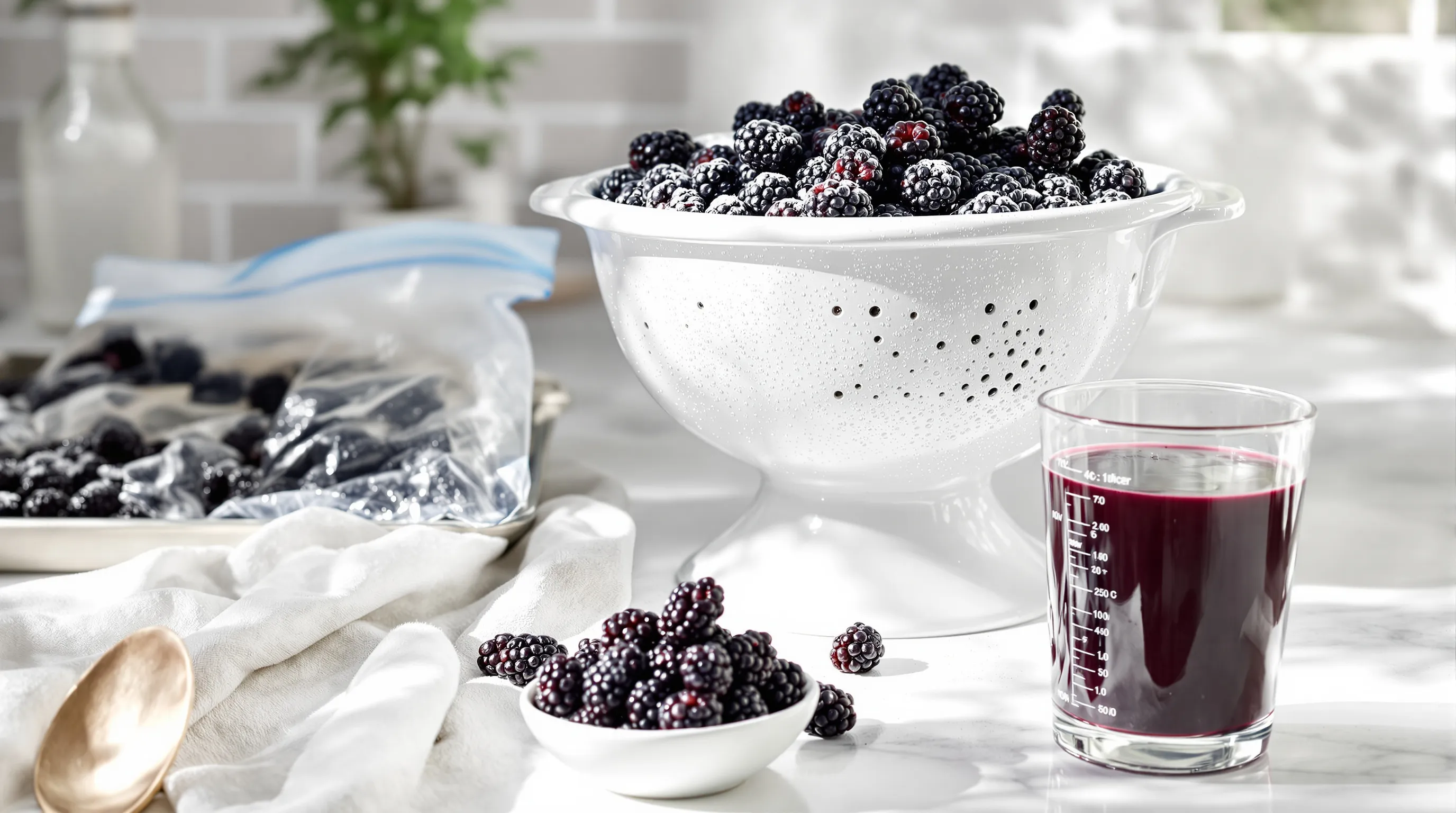
You’ve got options, and they each have a moment.
Nutrient Retention And When To Choose Each
- Fresh: Perfect when in season (juicy, flavorful). Great texture, full fiber, and top-tier taste for salads, yogurt bowls, and snacking.
- Frozen: Picked at peak ripeness and quickly frozen, so nutrients are well preserved. Budget-friendly, longer shelf life, and ideal for smoothies, oatmeal, and baking. Frozen blackberries are nutritionally comparable to fresh.
- Dried: Convenient, but sugar and calories are concentrated as water is removed. Check labels for added sugars or oils. Use as a garnish rather than a handful.
- Juice: Usually strained of fiber and can be high in sugar. If you enjoy juice, keep portions small (4–6 oz) and pair with a protein-rich meal to blunt spikes. Consider blending whole blackberries instead of juicing to keep the fiber.
Storage, Washing, And Shelf Life Tips
- Store fresh blackberries unwashed in the fridge: eat within 3–5 days.
- Rinse just before eating to prevent spoilage. A quick vinegar rinse (1 part vinegar to 3 parts water), then dry gently on a towel, can help them last a bit longer.
- For freezing: spread rinsed, dried berries on a sheet pan to freeze individually, then transfer to a freezer bag for easy scooping.
How Much To Eat And Easy Ways To Add Them
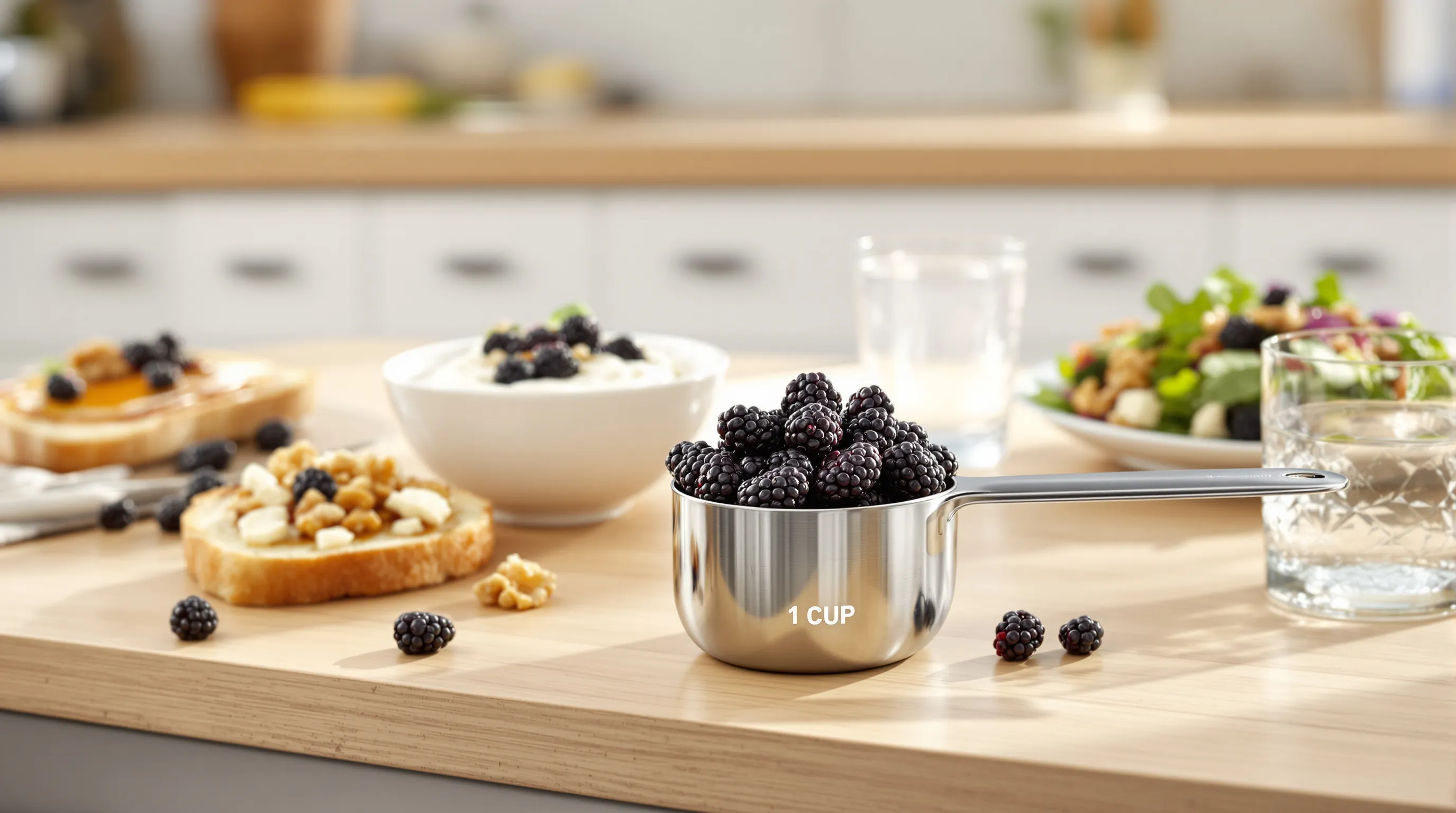
You don’t need a perfect plan. Just consistent.
Simple Serving Sizes
- Everyday baseline: 1 cup fresh blackberries.
- New to high-fiber foods? Start with 1/2 cup and add water during the day.
- Dried fruit is concentrated: 1/4 cup dried roughly equals 1 cup fresh in fruit “units,” but comes with more sugar per bite.
Smart Pairings For Fullness And Blood Sugar
- Protein + fat + fiber is your steady-energy trio.
- Try blackberries with: Greek yogurt or cottage cheese: chia pudding: a handful of nuts: eggs and a side of berries: oatmeal plus nut butter and seeds.
- Savory twist: toss blackberries into a spinach, goat cheese, and walnut salad with balsamic.
1-Minute Ideas And Quick Swaps
- Stir into warm oatmeal or overnight oats.
- Blend a handful into a smoothie with frozen cauliflower rice, protein powder, and almond milk.
- Top whole-grain toast with ricotta, blackberries, and a drizzle of honey.
- Fold into pancake batter or spoon over waffles.
- Make a quick “compote”: microwave blackberries 30–45 seconds with a squeeze of lemon: spoon over yogurt.
- Snack plate: blackberries, a cheese stick, and a few almonds. Simple and balanced.
Potential Downsides And Smart Workarounds
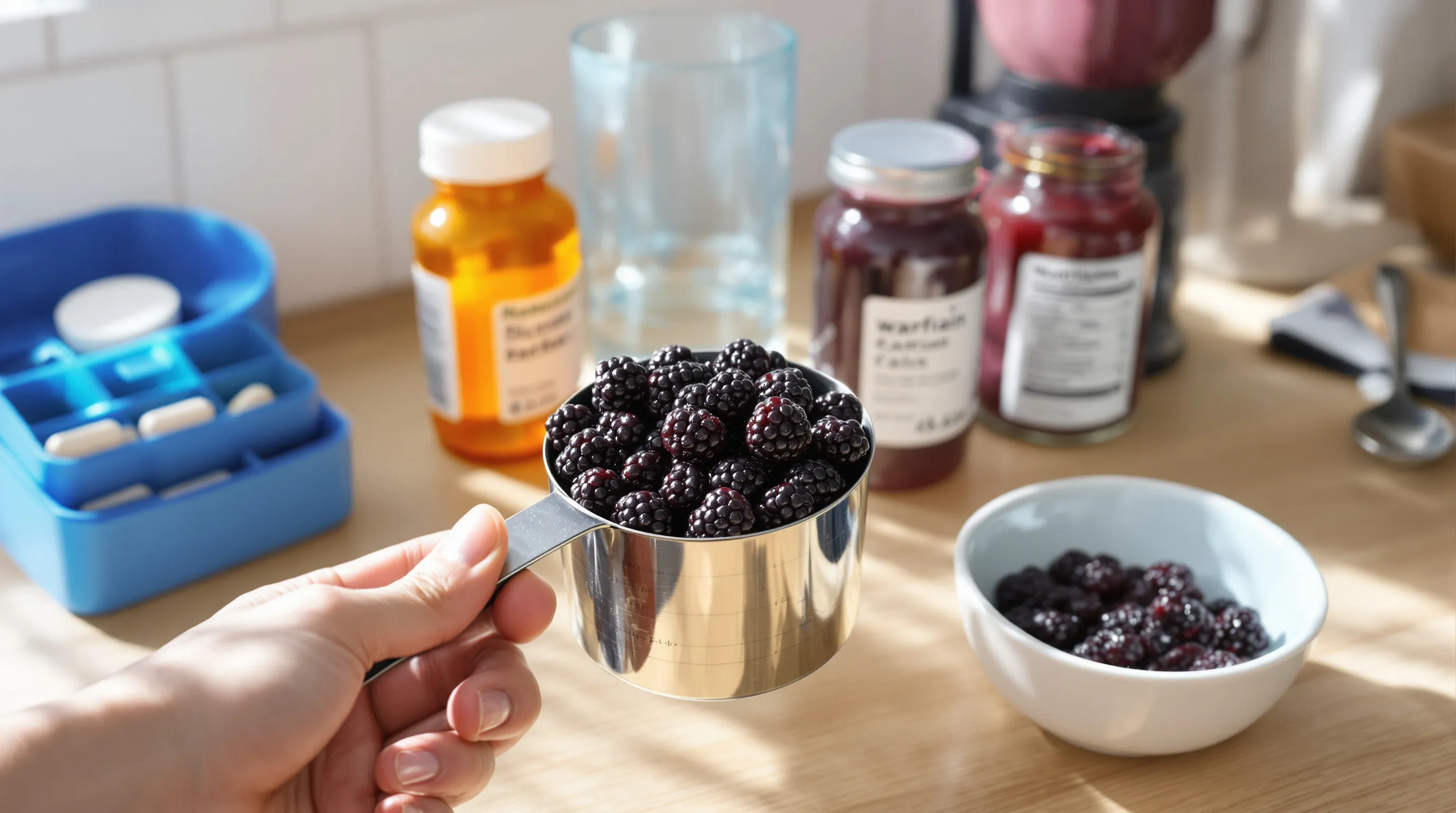
Blackberries are generally a win. A few notes help you enjoy them comfortably.
Allergies And Medication Considerations
- Berry allergies are uncommon but possible. If you notice itching, hives, or swelling, pause and check with a clinician.
- Vitamin K: blackberries contain vitamin K, which can interact with warfarin management. If you’re on blood thinners, the goal is consistency, keep your typical intake steady and follow your provider’s guidance.
Oxalates, Sensitive Stomachs, And FODMAP Notes
- Oxalates: blackberries contain oxalates, which may matter if you’ve had certain kidney stones. Portion control and hydration help: your healthcare team can personalize guidance.
- FODMAPs: larger servings of blackberries can be higher in FODMAPs for some people with IBS. If you’re sensitive, try 1/4–1/2 cup portions and test your tolerance.
- Seeds: the tiny seeds add fiber but can bother some during active GI flares. In that case, choose small portions or blend into smoothies.
Added Sugars In Processed Products
- Watch for added sugars in jams, juices, fruit bars, and dried berries. Choose unsweetened versions when you can. If you love jam, try a chia “jam” with mashed blackberries and chia seeds, sweet, spoonable, and fiber-rich.
Conclusion
So, are blackberries healthy for you? Absolutely, and they’re easy to enjoy. High fiber, low calories, and antioxidant power make them a simple everyday upgrade. If you’re wondering “are blackberries good for you” for goals like steady energy, heart health, or healthy aging, blackberries check the box.
Try one small action today: add 1 cup of blackberries to breakfast, or toss a handful into a salad. Keep a bag of frozen berries in the freezer for no-fuss smoothies. Small moves, done often, change the trajectory, and we’re here for that.
For more simple, practical tips like this, join the HowAboutHealthy.com community and get our monthly wellness notes. Let’s make healthy living feel simple.