

Short answer: yes, when you enjoy them mindfully. If you’ve ever wondered “are black olives healthy for you?” you’re in good company. These salty, briny bites bring healthy fats, antioxidants, and big flavor to simple meals. But they can also pack sodium depending on how they’re cured. In this guide, we’ll break down what makes black olives unique, how they compare to green olives, and easy ways to use them so you get the benefits without overdoing the salt. Let’s keep it simple, practical, and totally doable.
What Exactly Are Black Olives?
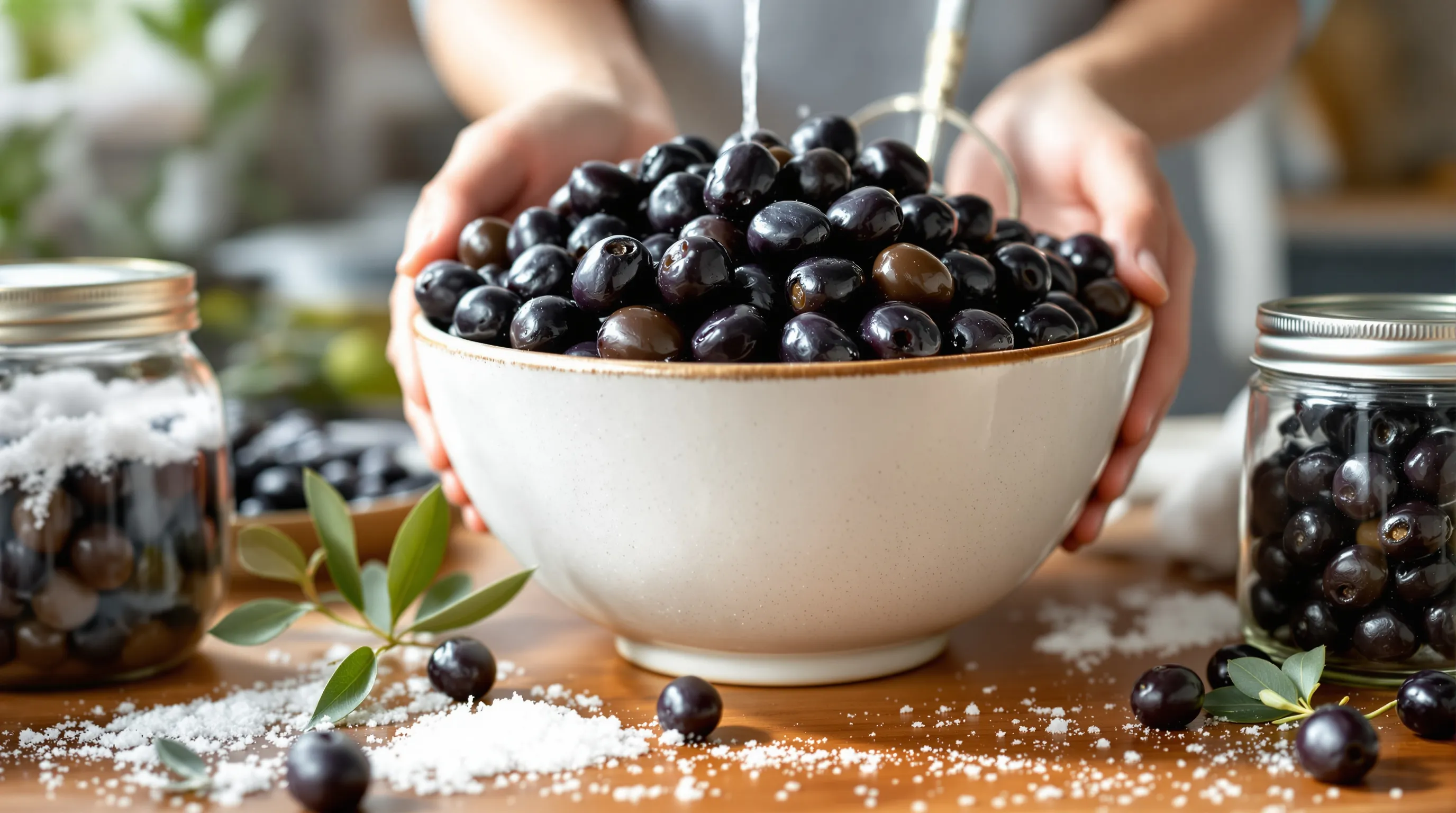
Black olives are the fully ripened fruit of the olive tree. Because they’re harvested at maturity, they develop a deeper color, a softer texture, and a richer, rounder flavor than green (unripe) olives. That extra time on the tree also allows certain beneficial compounds to develop, including polyphenols and vitamin E.
Common Varieties And What “Black” Means
“Black” describes ripeness more than a single variety. Many cultivars, like Kalamata, Mission, and Gaeta, turn dark as they fully mature. Some canned “ripe black olives” are actually oxidized during processing for a uniform color. The natural-ripened, brine- or salt-cured olives you’ll find at a deli counter usually have more nuanced flavor and a firmer bite. The big idea: the darker the olive from natural ripening, the more mature the fruit.
How Curing Changes Flavor And Nutrition
Fresh olives are bitter, so curing is key. Common methods include brining (saltwater), dry/salt curing, lye-curing, and water curing. These methods change:
- Flavor: from bright and tangy to deep and mellow.
- Texture: from firm to tender.
- Sodium: brining adds notable salt: dry-cured can be salty too.
- Minerals: some methods add calcium to help firm texture.
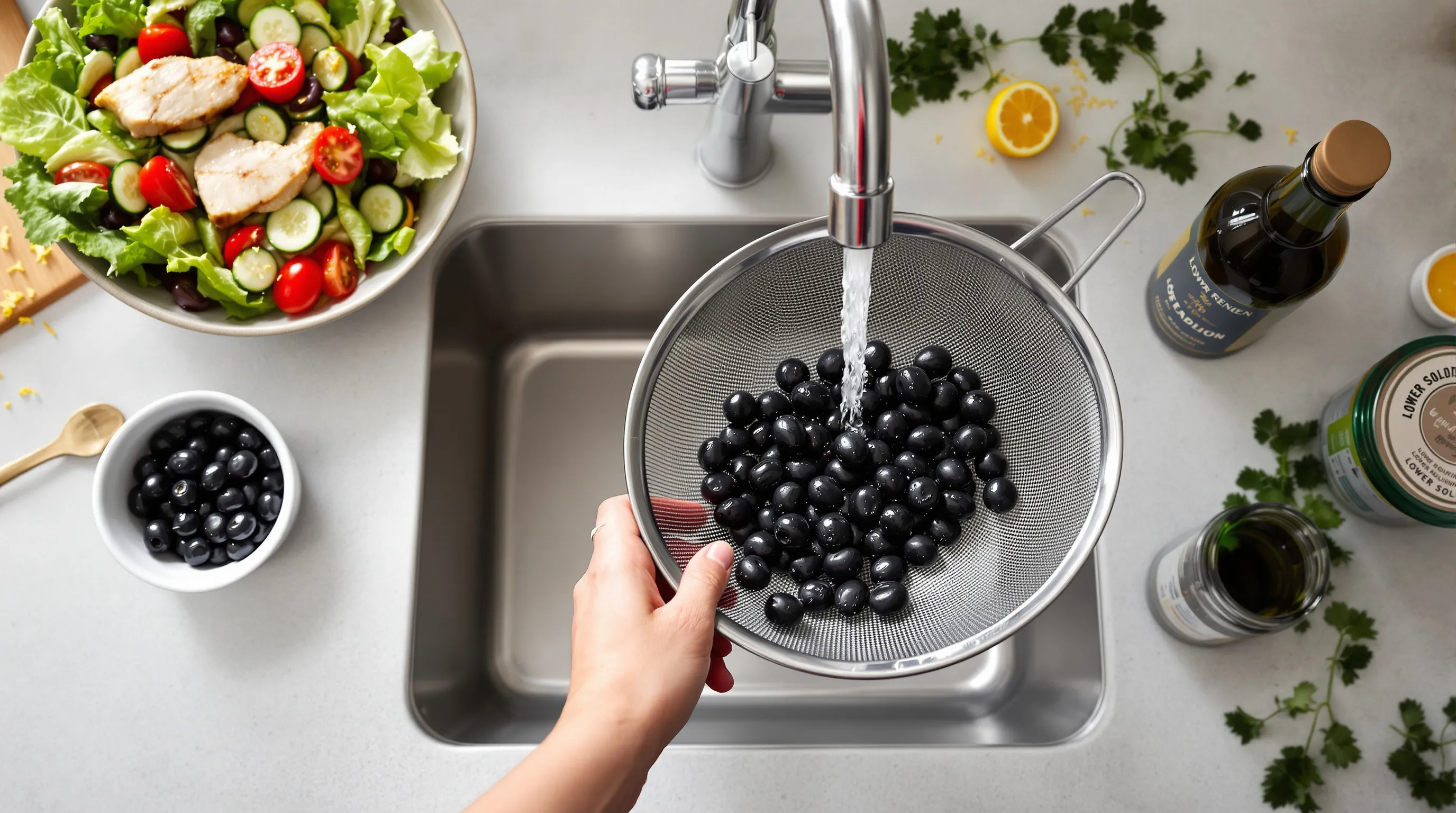
If you’re watching sodium, how they’re cured matters. Jarred or canned olives in brine tend to be saltiest: you can rinse them to reduce sodium.
Black Vs. Green Olives: Key Differences
Black olives are fully ripe: green olives are picked early. With ripeness comes shifts in nutrients and taste. Black olives typically offer a balanced calorie profile, plenty of monounsaturated fat (the kind linked to heart health), and more fiber and vitamin E compared to many green counterparts. Green olives can be a bit firmer and often saltier due to curing styles. Flavor-wise, black olives lean buttery and smooth: greens skew sharper and more peppery. Choose based on taste and your nutrition goals.
Nutrition At A Glance
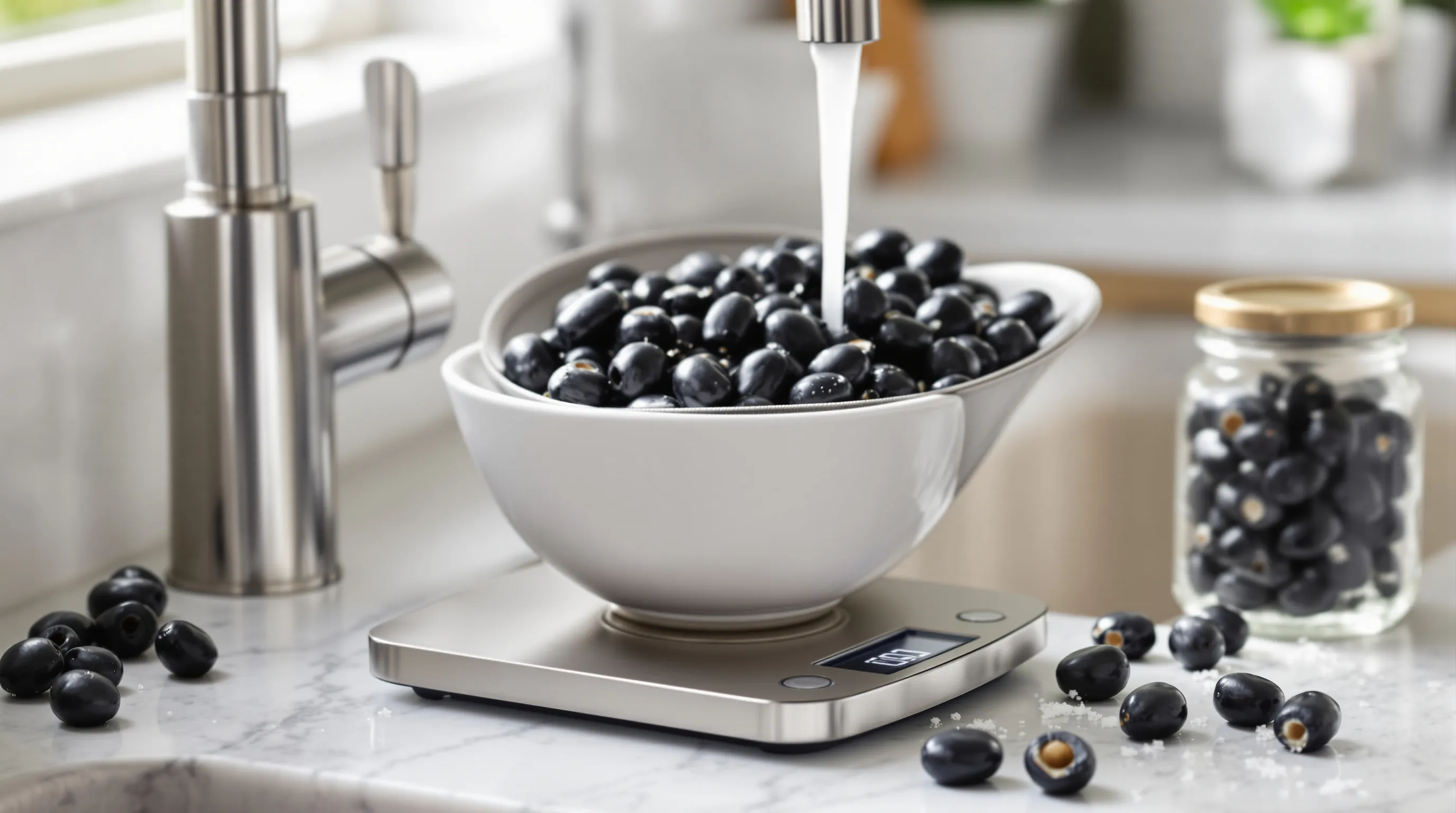
Here’s a quick peek at what you get in a typical serving.
- About 100–116 calories per 20 large olives or per 100 grams
- Mostly fat (the heart-friendly kind), modest carbs, and a little fiber
- A sprinkle of vitamins and minerals, especially vitamin E and iron
Macronutrients: Healthy Fats, Fiber, And Calories
Black olives are rich in monounsaturated fats, especially oleic acid, linked with healthy cholesterol balance and reduced inflammation. A 20-olive serving lands around 9–11 grams of fat and roughly 100 calories. Fiber adds up too: think about 1–2 grams per typical serving. That may not sound like much, but it helps with fullness and supports digestion. Because olives are energy-dense, portion awareness goes a long way if you’re tracking calories.
Micronutrients And Antioxidants
Black olives bring vitamin E (a powerful antioxidant), iron, copper, small amounts of calcium, and vitamin A. They also contain polyphenols such as hydroxytyrosol, tyrosol, and quercetin, compounds studied for heart and cellular protection. In plain English: olives help buffer oxidative stress, which is part of why Mediterranean-style eating patterns keep showing up in longevity research.
Sodium Snapshot: What To Know
Here’s the catch: curing can load olives with sodium. Some servings of 15–20 olives can top 600 mg, about a quarter of a standard daily limit. If you’re managing blood pressure or simply aiming to cut back on salt, rinse canned/jarred olives under water and balance your day with lower-sodium foods. You still get the flavor, just with less brine.
Are Black Olives Good For You? Key Health Benefits
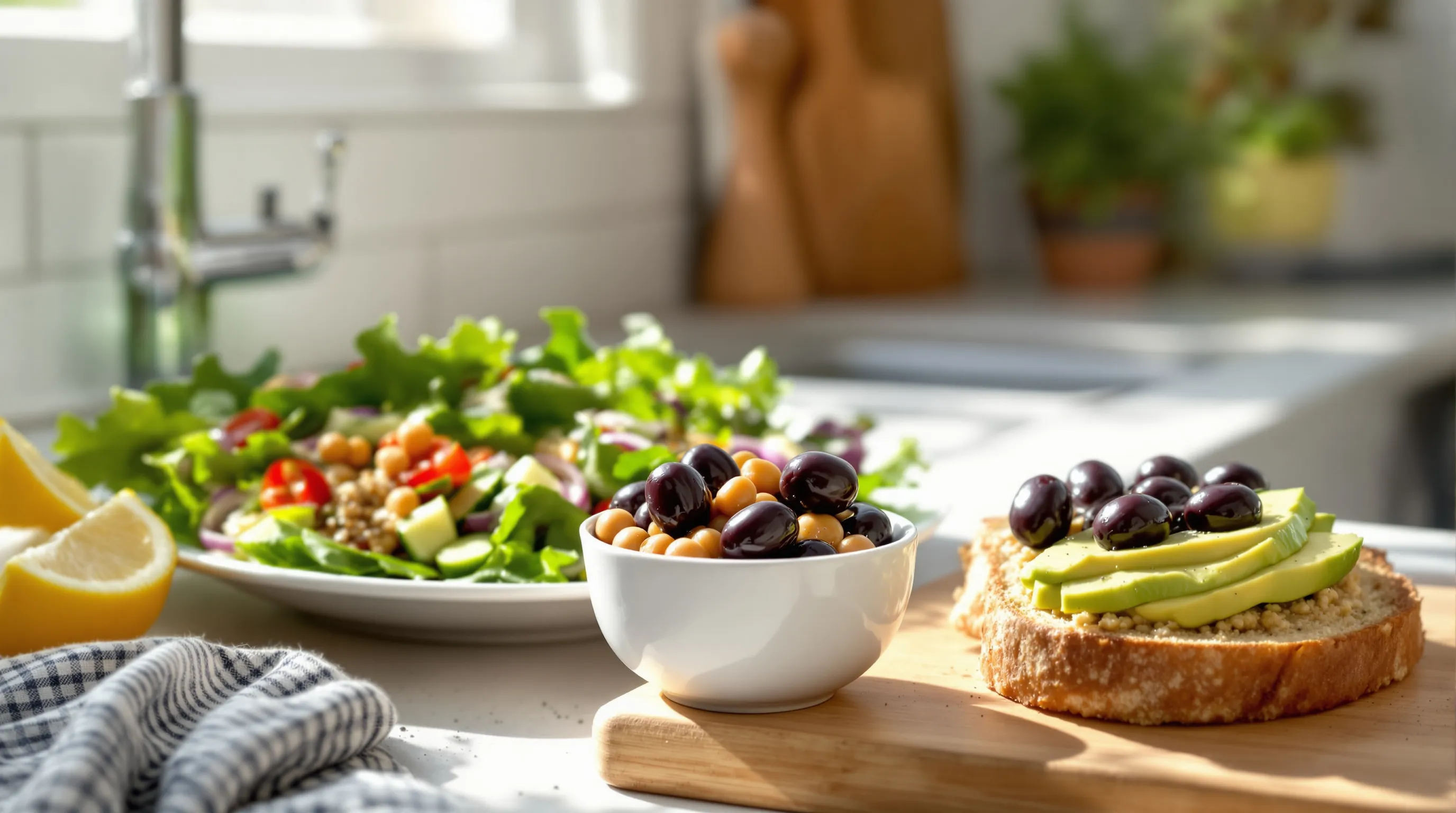
So, are black olives good for you? In the context of a balanced diet, yes. Here’s where they shine:
Heart Health: Monounsaturated Fats And Polyphenols
Monounsaturated fats support healthy cholesterol ratios by nudging HDL (the “good” kind) in a positive direction. Polyphenols help protect LDL from oxidation, a process tied to plaque buildup. Translation: olives can be a heart-friendly add-in. Think of them like a flavor boost that also supports your cardiovascular system.
Metabolic Support: Satiety And Blood Sugar Friendliness
Fat plus fiber equals staying power. Adding a few olives to a meal can help you feel satisfied longer, which may reduce between-meal grazing. While olives aren’t a blood sugar cure-all, they’re naturally low in carbs and can replace sugary condiments. Small swaps like this are an easy win for steadier energy.
Gut And Inflammation: Fiber And Antioxidant Compounds
The fiber in black olives supports a healthy gut environment, while antioxidant compounds help dial down everyday oxidative stress. Some research links olive polyphenols with lower inflammatory markers. You’ll feel it in subtle ways: fewer energy dips, better digestion, less “puffy” feeling after meals. Small, steady upgrades add up.
Watchouts And Who Should Be Cautious
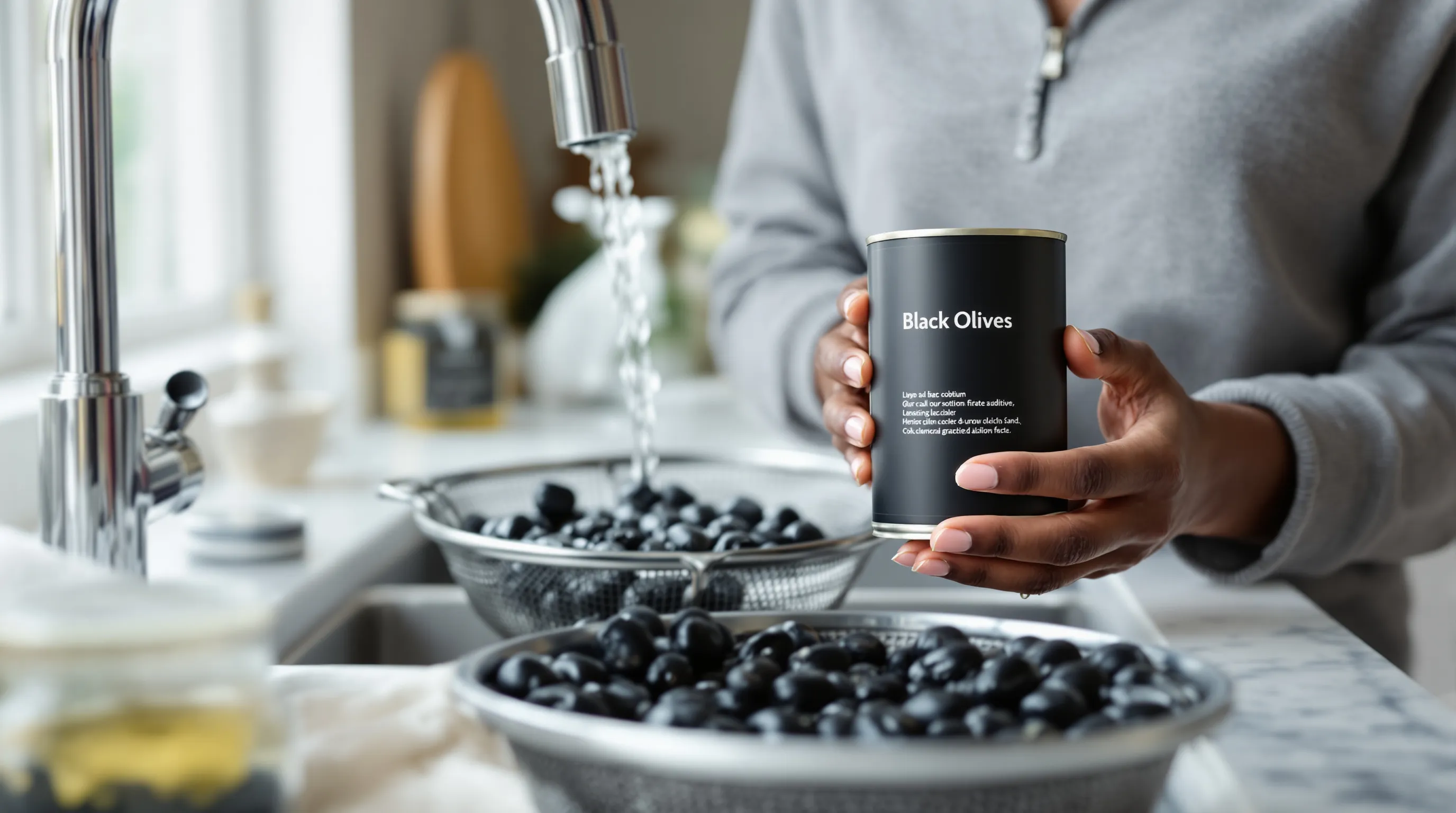
Olives are nutrient-dense, but a few caveats help you enjoy them wisely.
Sodium, Additives, And Curing Solutions
Brined olives can be salty. Rinsing helps. Also check labels for additives like ferrous gluconate (used for stable color in some canned black olives) or calcium chloride (for firmness). Not dealbreakers for most people, but good to know.
Allergies, Sensitivities, And Histamine
Fermented foods can contain histamine. If you’re sensitive, or you notice headaches, flushing, or congestion after eating olives, try smaller portions, rinse well, or choose fresher, minimally processed options. When in doubt, talk with your healthcare provider.
Portion Pitfalls: Calorie Density And Oil-Cured Options
Oil-cured or oil-packed olives can be higher in calories. They’re delicious, so it’s easy to overshoot. A simple guardrail: serve what you plan to eat, close the jar, and enjoy slowly. Flavor is intense, you won’t need many.
How Much To Eat And The Healthiest Ways To Use Them
Let’s keep this practical, enjoy the benefits, sidestep the salt.
Smart Serving Sizes And Frequency
- A comfortable range: 10–20 olives per serving
- Enjoy 2–3 times per week, or fold smaller amounts into meals more often
- Pair with veggies and protein to round out the plate
Smarter Swaps: Lower-Sodium And Rinsing Tips
- Rinse canned or jarred olives for 10–20 seconds to wash away surface brine.
- Soak for 5–10 minutes in water, then drain, if you want an extra sodium drop.
- Choose deli or barrel-cured olives labeled “lower sodium,” or compare brands, sodium varies a lot.
- Balance the day: if olives are in your lunch, keep dinner sauces lighter on salt.
Black Olives Vs. Olive Oil: When To Choose Each
- Choose black olives when you want texture, tang, and a quick flavor pop on salads, bowls, or pizza.
- Choose extra-virgin olive oil when cooking or dressing greens, lower sodium, concentrated polyphenols, easy portion control by the tablespoon.
- Mix and match: a light drizzle of EVOO plus a few chopped olives can replace heavy dressings.
Buying And Storing Tips
- Look for firm, intact olives with a clean, briny smell.
- In cans/jars, check for simple ingredients: olives, water, salt, maybe lactic acid.
- Once opened, keep olives submerged in their liquid and refrigerate. Eat within 1–2 weeks for best flavor (deli olives may keep a bit longer: follow store guidance).
- If the flavor’s too salty, rinse, then toss with a little olive oil, citrus zest, and herbs.
Easy, Healthy Ideas To Add Them To Meals
Keep it simple. Use black olives to upgrade meals you already make.
Breakfast And Brunch Ideas
- Mediterranean scramble: eggs, spinach, tomatoes, chopped black olives, feta.
- Savory yogurt bowl: Greek yogurt, cucumber, olives, dill, olive oil, a pinch of salt.
- Grain start: warm farro or quinoa with olives, cherry tomatoes, and a soft-boiled egg.
Quick Lunches And Packable Options
- 5-minute salad: mixed greens, tuna or chickpeas, olives, lemon, and olive oil.
- Jar salad: whole grains + roasted peppers + olives + arugula + chicken or tofu.
- Snack box: olives, cherry tomatoes, cucumber spears, hummus, and whole-grain crackers.
Simple Dinners And Snack Pairings
- Sheet-pan win: roast zucchini, red onion, and cherry tomatoes: finish with olives and fresh basil.
- Pasta toss: whole-grain pasta with olive oil, garlic, olives, capers, and parsley.
- Pizza upgrade: a few sliced olives add big flavor: use less cheese and still feel satisfied.
- Quick snack: a small handful of olives with almonds or a slice of cheese, salty, savory, satiating.
Conclusion
So, are black olives healthy for you? In moderation, absolutely. They deliver heart-friendly fats, antioxidants, and satisfying flavor that makes simple meals feel special. Just watch the sodium, rinse when you can, and keep portions reasonable, 10–20 olives is a sweet spot for most. If you like this easy, balanced approach, explore more practical guides at HowAboutHealthy.com and join our newsletter for simple tips you’ll actually use, one small, tasty upgrade at a time.