
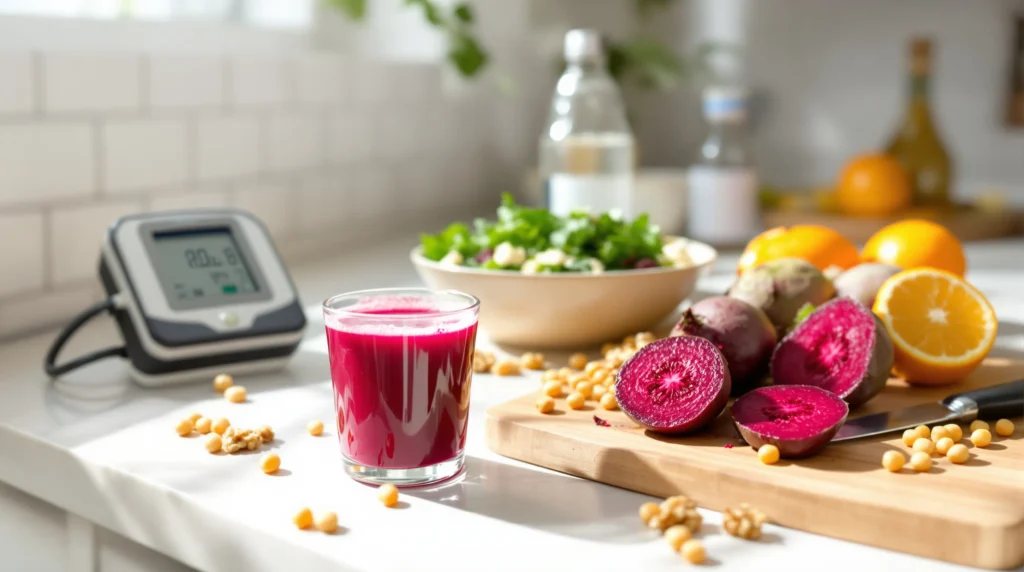
If you’ve ever wondered, “Are beets healthy for you?” you’re not alone. These earthy, ruby-red roots show up in everything from salads to smoothies to pre-workout shots. The short answer: yes, beets are surprisingly powerful for heart health, stamina, and everyday energy. And they’re simple to use once you know a few tricks. Let’s translate the science into easy wins you can put on your plate today.
Quick Take: Are Beets Good For You?
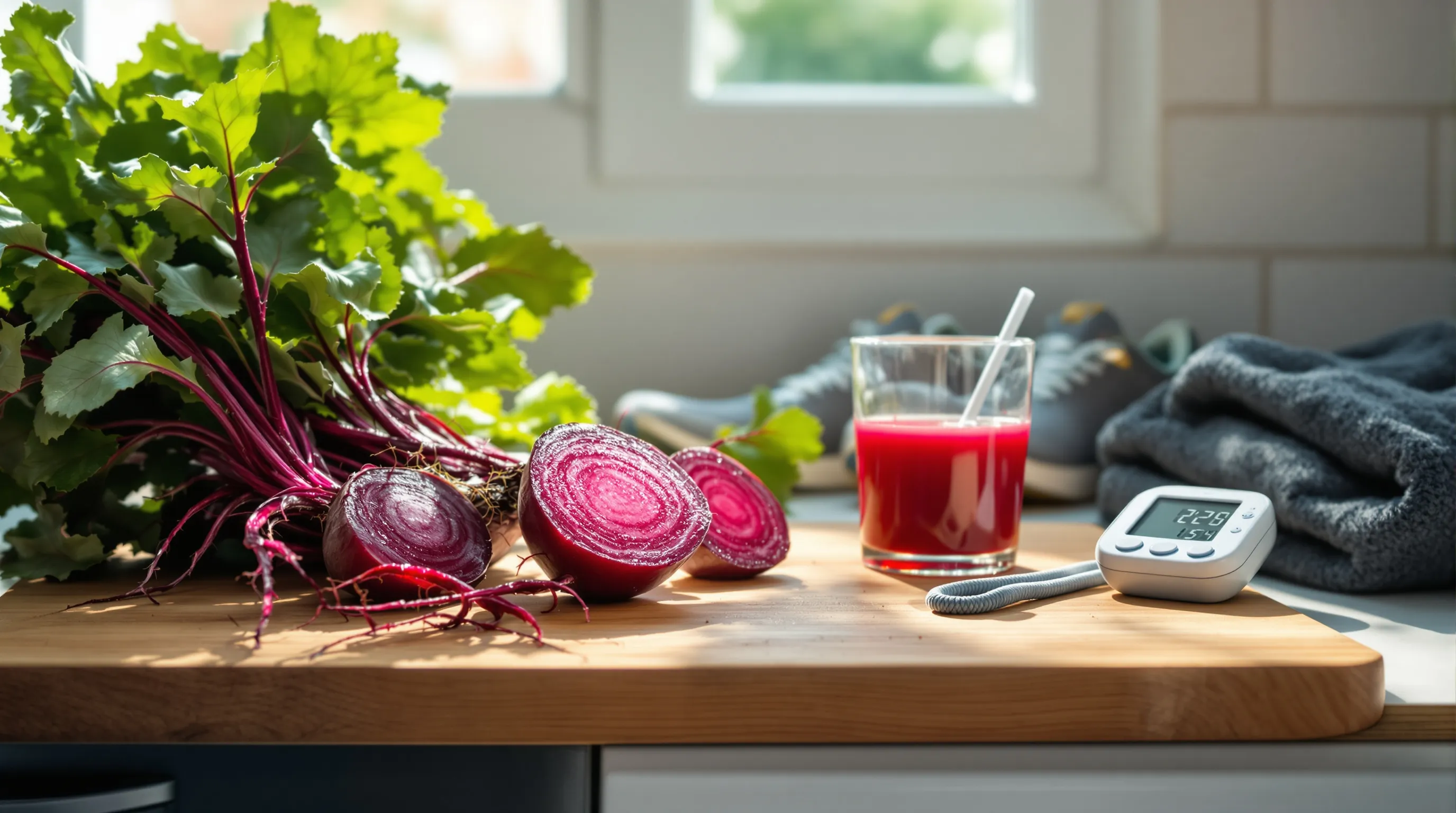
Beets are nutrient-dense, low in calories, and rich in compounds that support your heart and help you move with more ease. They pack minerals like manganese, potassium, iron, plus folate, vitamin C, and vitamin B6. Their two headliners, dietary nitrates and betalains, work together to support blood flow, reduce inflammation, and enhance performance.
In plain English: beets can help lower blood pressure, make workouts feel a touch easier, and add fiber for steadier appetite and digestion. If you’re asking, “are beets good for you?” the evidence says yes for most people. The only caveat: a few folks should be cautious (we’ll cover that), but for the vast majority, they’re a simple, affordable upgrade.
What’s Inside A Beet: Nutrition And Nitrates 101
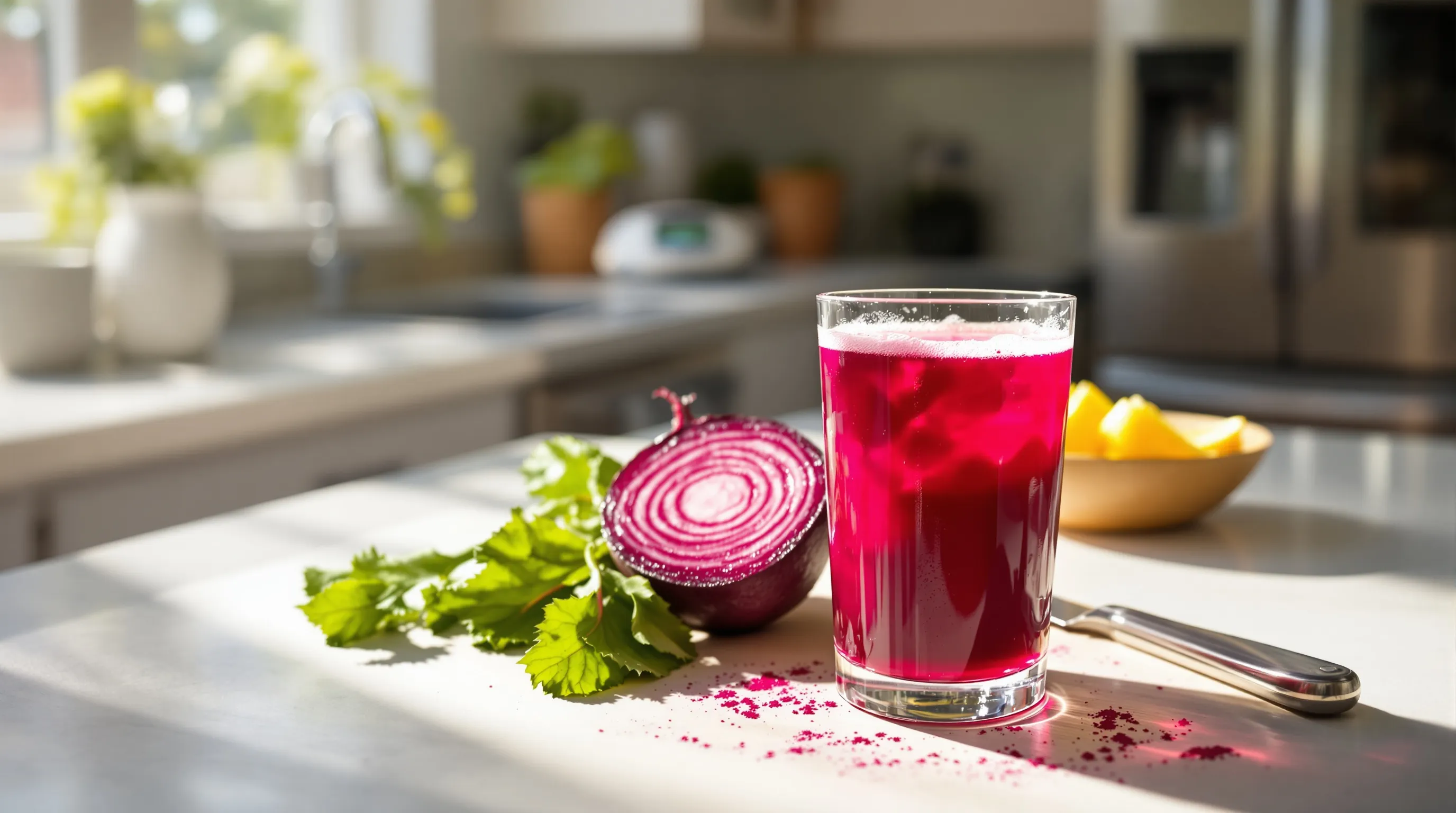
Nutrition Snapshot
- 1 cup cooked beets offers roughly 3.4 grams of fiber.
- Naturally low in calories, fat, cholesterol, and sodium.
- Provides potassium, manganese, iron, folate, vitamin C, and vitamin B6.
- Rich in betalains, the pigments that give beets their color, known for antioxidant and anti-inflammatory activity.
That fiber helps you feel satisfied, supports regularity, and even assists with cholesterol management. The mix of minerals supports nerve function, muscle contractions, and energy production. It’s a lot of mileage from a humble root.
How Nitrates Support Blood Flow
Beets are one of the best natural sources of dietary nitrates. Here’s the quick pathway:
- Nitrate (from beets) → nitrite (via oral bacteria) → nitric oxide in the body.
- Nitric oxide relaxes blood vessels, which can reduce blood pressure and improve blood flow.
- Better blood flow can mean less arterial stiffness and less workload on the heart at rest.
This is one reason athletes love beet juice before training, and why many people notice a subtle “energy” lift that’s really improved circulation.
Science-Backed Benefits
Heart And Blood Pressure
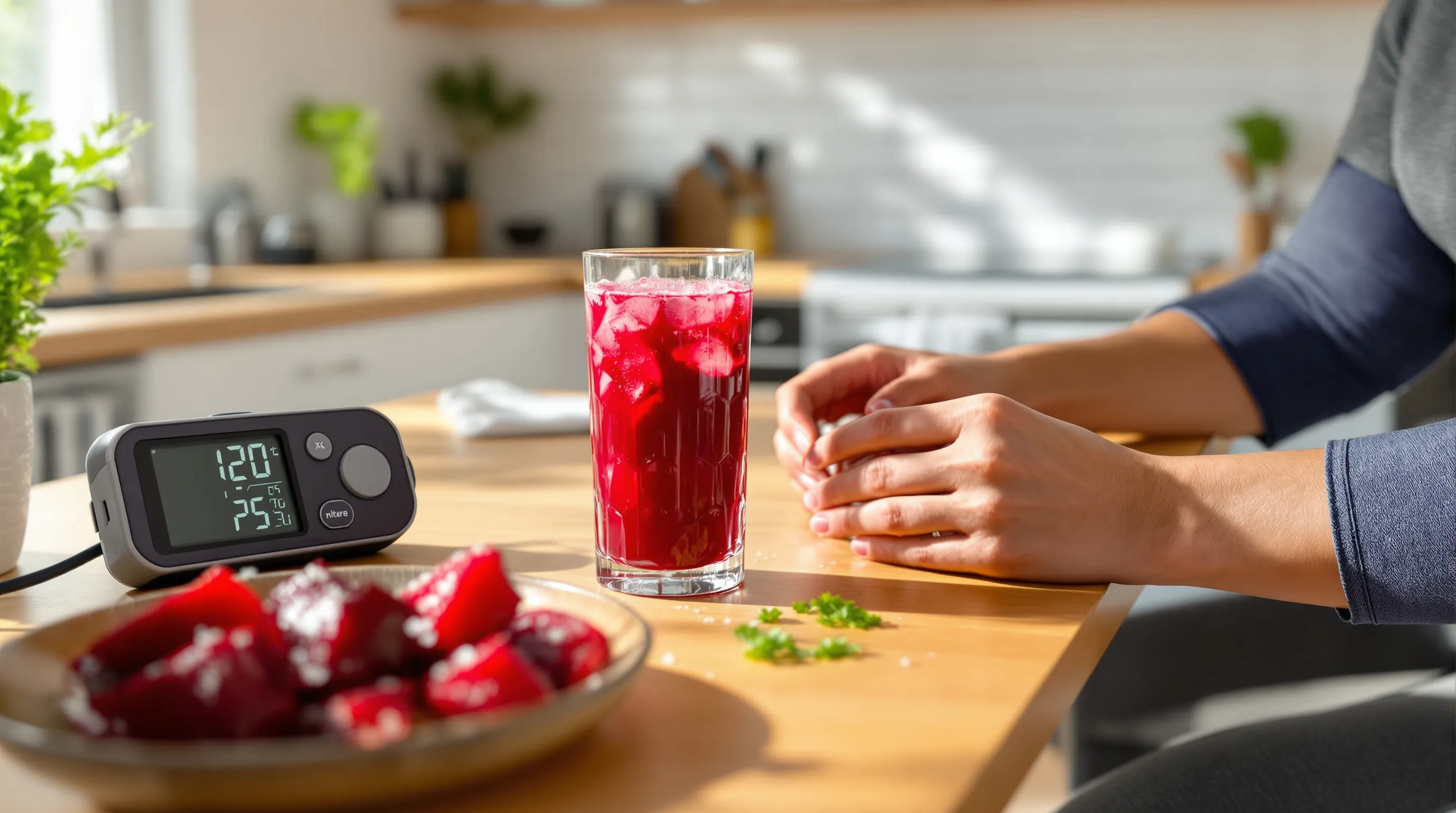
Regular beetroot intake is linked with meaningful reductions in blood pressure, on the order of a few millimeters of mercury for both systolic and diastolic values in healthy adults. That may sound small, but across a population, it’s a big deal for heart risk. The mechanism is largely nitric-oxide–driven vasodilation, plus the support of potassium and antioxidant compounds.
Easy action: add 1/2–1 cup cooked beets to lunch most days, or try a small glass of beet juice a few times a week. If you monitor blood pressure, track readings for 2–3 weeks and see if you notice a trend.
Exercise And Stamina
Beetroot can make movement feel easier by improving oxygen efficiency. People often report they can go a bit longer before hitting the wall, think an extra few minutes on a run or less burn early in a cycling session. In resistance training, some studies show improved neuromuscular efficiency during fatiguing sets.
Practical timing: for cardio, aim beet juice or a concentrated nitrate shot 2–3 hours pre-workout. For strength days, it can still help, but the effect is most consistent in endurance or high-rep efforts.
Brain Health And Inflammation
High-nitrate foods like beets can increase blood flow to brain areas involved in executive function and working memory. That doesn’t mean beets replace sleep or deep work, but they’re a supportive nudge toward clearer thinking.
Meanwhile, betalains act as antioxidants that help reduce oxidative stress and inflammation. Over time, that may translate to lower risk for cardiovascular and cerebrovascular disease and could play a role in broader disease prevention strategies when combined with a balanced diet and lifestyle.
Gut Health And Fiber
Fiber is the unsung hero here. That 3.4 grams per cup supports:
- Satiety and appetite control
- Regular bowel movements
- A healthier gut microbiome
- Modest cholesterol improvements
Tip: keep the skins on when roasting (scrub well) to capture a little extra fiber.
Possible Downsides And Who Should Be Cautious
Oxalates And Kidney Stones
Beets contain oxalates. If you’ve had calcium-oxalate kidney stones, talk with your healthcare provider before upping your beet intake. You may still enjoy small portions, but you’ll want a personalized plan that accounts for total dietary oxalate and hydration.
Blood Pressure Medications And Low Blood Pressure
Because beets can lower blood pressure, use a little caution if you’re on antihypertensive meds or you naturally run low. Monitor how you feel, lightheadedness is your cue to scale back and check in with your clinician.
GI Sensitivity And Beeturia
Beets can be gas-forming for sensitive guts, especially when eaten raw. Start small (1/4–1/2 cup) and build up. Also normal: beeturia, a temporary pink-red tint to urine or stool after eating beets. It looks dramatic but isn’t harmful.
Beets, Beet Juice, Or Beet Powder: What To Choose
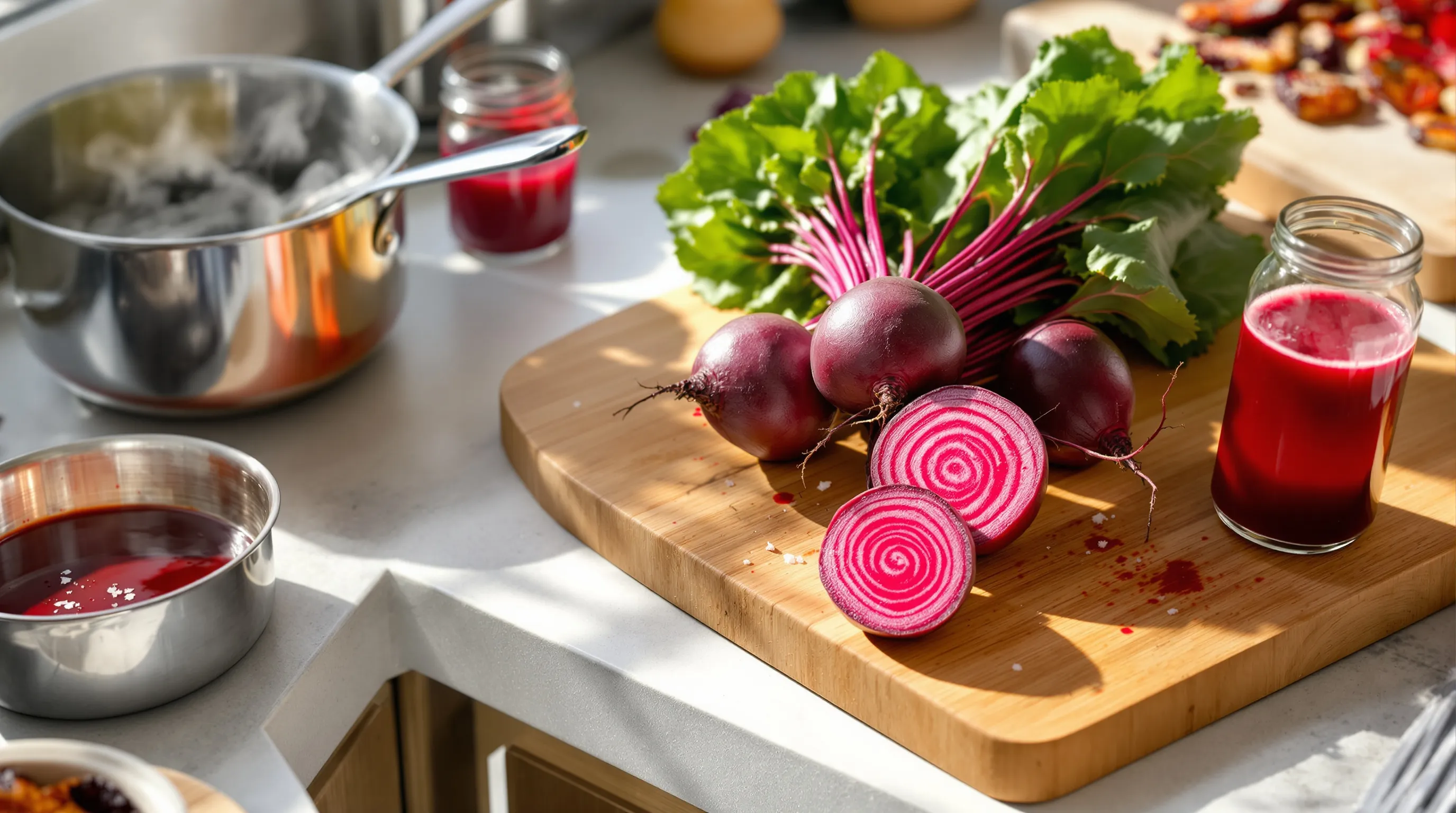
When Whole Beets Win
Whole beets give you the full package, fiber, micronutrients, and those colorful antioxidants. They’re ideal for everyday heart and gut benefits. Cooking methods matter: roasting or steaming preserves more nutrients than boiling (where compounds can leach into the water). If you do boil, save the cooking liquid for soups or grains.
Choose whole beets when you want:
- Steady fiber for fullness and digestion
- A budget-friendly, versatile veggie for meals
- Less sugar per serving compared with juice
When Juice Or Powder Makes Sense
Juice and powder concentrate nitrates. That’s helpful when you want an acute effect, like a pre-workout boost or a short-term nudge for blood pressure.
- Beet juice: fast-acting, popular before cardio. Typical dose: 7–10 ounces (~2–3 hours pre-exercise).
- Beet powder or nitrate shots: portable and predictable. Follow label dosing: pair with water and a small snack if your stomach is sensitive.
Note: juices skip fiber. Balance your day with veggies, legumes, or whole beets to keep digestion on track.
Simple Ways To Add Beets Today
Quick Prep Tips
- Roast a batch: scrub, trim, wrap whole beets in foil or place in a covered dish: roast at 400°F for 45–70 minutes (size matters). Slip skins off under cool water.
- No-oven option: microwave whole, scrubbed beets in a covered dish with a splash of water for 8–12 minutes, flipping halfway.
- Buy pre-cooked: vacuum-packed steamed beets or canned beets make it effortless. Rinse canned to reduce sodium.
- Grate raw: peel and grate over salads or into slaws for a juicy, crunchy punch.
Easy Serving Ideas
- Salad upgrade: sliced beets + arugula + goat cheese + walnuts + balsamic.
- Grain bowl: quinoa, roasted beets, chickpeas, avocado, lemon-tahini.
- Snack: beet hummus with carrots or pita.
- Breakfast: add 1/2 cup cooked beets to a berry smoothie with Greek yogurt.
- Warm sides: toss roasted beets with olive oil, orange zest, and a pinch of sea salt.
- Pickled beets: keep a jar in the fridge to top bowls and sandwiches.
Smart Pairings For Better Absorption
- Iron helper: beets contain non-heme iron. Pair with vitamin C (citrus, strawberries, bell peppers) to boost absorption.
- Heart support: combine with potassium-rich foods (leafy greens, beans) for a blood-pressure-friendly plate.
- Gentle on the gut: add a drizzle of olive oil and go slow on portion size if you’re sensitive.
Conclusion
Beets bring a rare combo: heart-smart nitrates, anti-inflammatory pigments, and real-world perks for stamina and focus, wrapped in an inexpensive, weeknight-friendly veggie. For most people, the answer to “are beets healthy for you?” is a confident yes. Start simple: add 1/2–1 cup cooked beets to lunch a few days a week or try a small beet juice before a workout. Notice how you feel, more steady energy, better digestion, maybe easier miles.
And if you’re managing kidney stones or blood pressure meds, loop in your clinician and tailor your plan. No perfection required. Just consistent, doable steps.
Want more practical wellness tips like this? Visit howabouthealthy.com and join our monthly newsletter. Let’s make healthy living feel simple.