
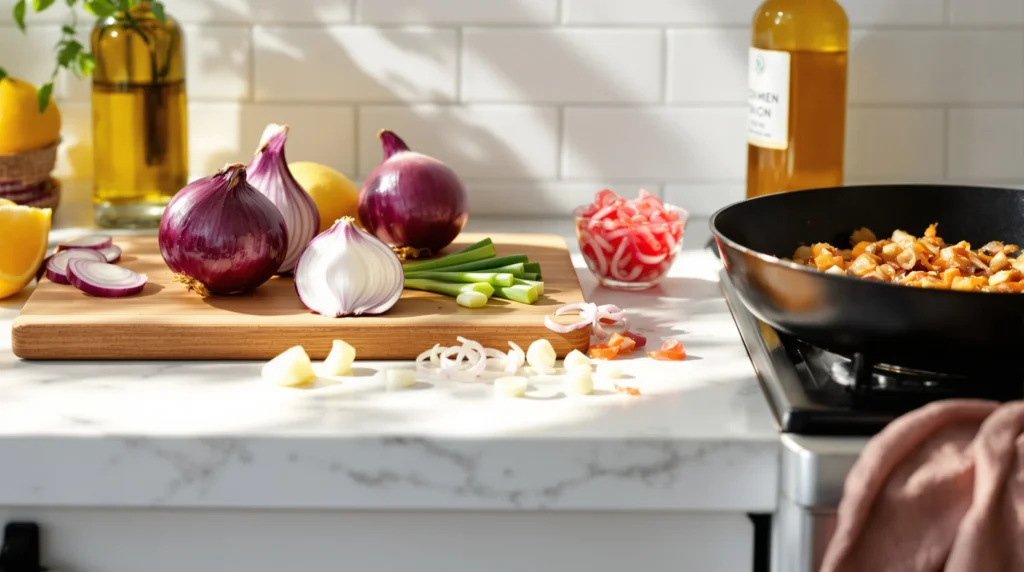
Short answer to the internet’s favorite phrasing, are onion good for you? Yes. Onions are a simple, everyday way to boost flavor and health at the same time. They bring fiber, vitamin C, potassium, and a unique mix of antioxidants and sulfur compounds that support your heart, gut, blood sugar, and more. And they do it for barely any calories. Whether you love them raw in a salad or caramelized on everything, there’s a smart way to fit onions into your routine without the burn (or the tears). Let’s make it easy.
Quick Answer: Yes—Here’s Why Onions Earn A Spot On Your Plate
Onions are nutrient-dense for how few calories they contain, about 40 per 100 grams. They deliver fiber, vitamin C, potassium, and handy prebiotics that feed good gut bacteria. Their real superpower, though, comes from plant compounds like quercetin (a flavonoid) and organosulfur compounds. These have antioxidant, anti-inflammatory, and anti-platelet actions that support heart and metabolic health.
If you’re scanning for a simple takeaway: onions help you cook with more flavor and fewer calories, while quietly supporting cholesterol balance, blood sugar, and digestion. For most people, that’s a “yes” to the question “are onions good for you.” The small caveat: raw onions can be tough for sensitive tummies (hello, FODMAPs), so we’ll cover gentler options if you need them.
Try this today: add a few tablespoons of sautéed onions to eggs, beans, or grain bowls. Big flavor, no fuss.
Nutrition At A Glance
Macronutrients And Fiber
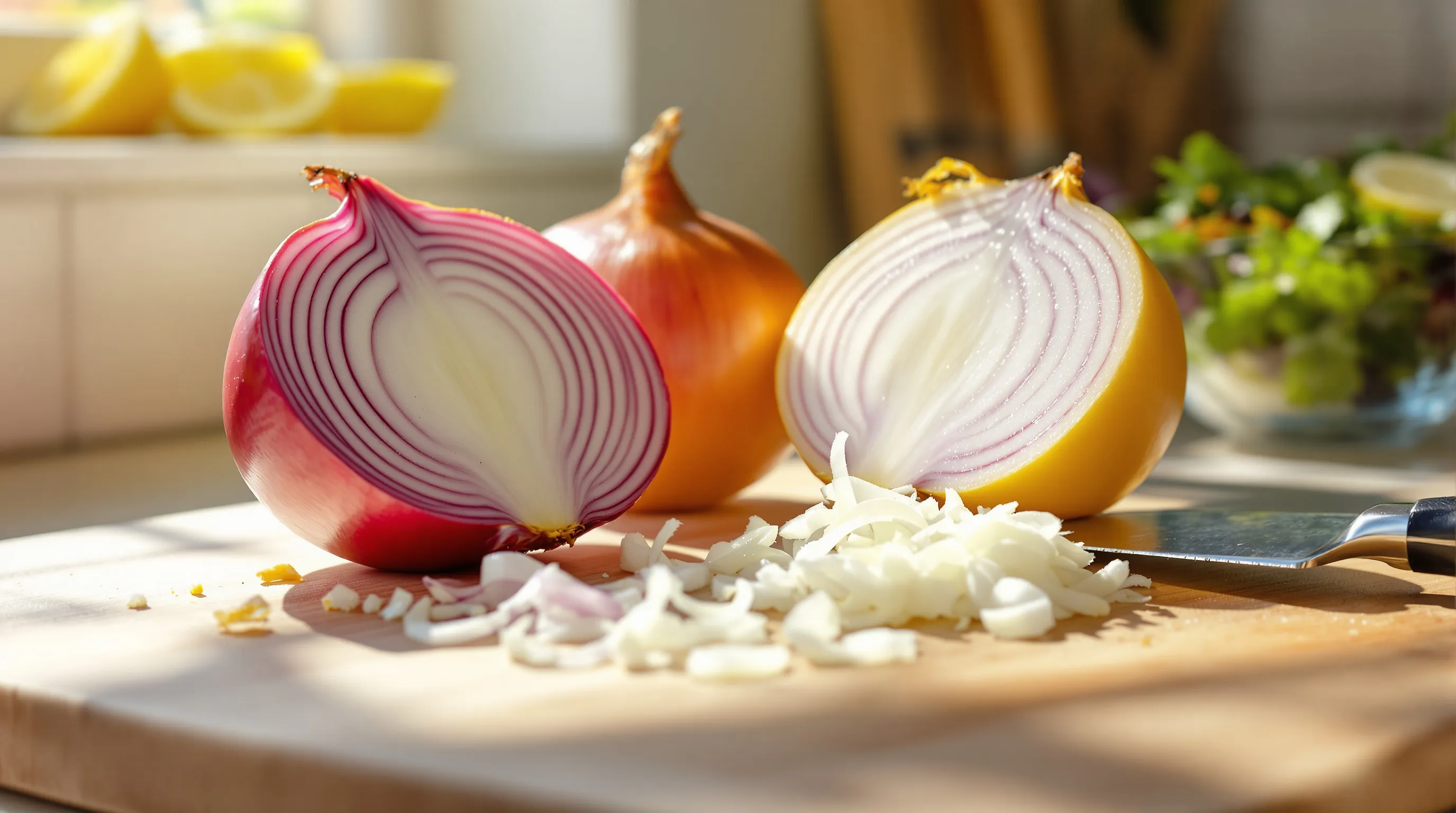
Onions are mostly water and carbohydrates with a modest amount of fiber for so few calories. One medium onion lands in the ~40–60 kcal range depending on size. There’s virtually no fat, a small amount of protein, and enough fiber to help support digestion and satiety. That fiber includes prebiotic types like inulin and fructo-oligosaccharides (FOS), which feed beneficial gut bacteria.
Vitamins, Minerals, And Antioxidants
You’ll get vitamin C (immune, skin, and collagen support), potassium (fluid balance, blood pressure), and small amounts of folate, calcium, and iron. Antioxidant capacity varies by variety and preparation, but even common yellow and red onions carry a useful mix of protective compounds that help counter everyday oxidative stress.
Key Phytochemicals: Quercetin And Sulfur Compounds
This is where onions shine. Quercetin, abundant in red and yellow onions (especially in outer layers), has anti-inflammatory and antioxidant effects. Organosulfur compounds, formed when you slice or crush the onion, are linked to improved blood vessel function and reduced platelet stickiness. Lab and human studies suggest these compounds contribute to healthier cholesterol profiles and may offer antimicrobial and anti-cancer activity. Practical note: the sharper the onion’s aroma, the more pungent sulfur compounds you’re likely getting.
Science-Backed Benefits
Heart Health And Healthy Cholesterol
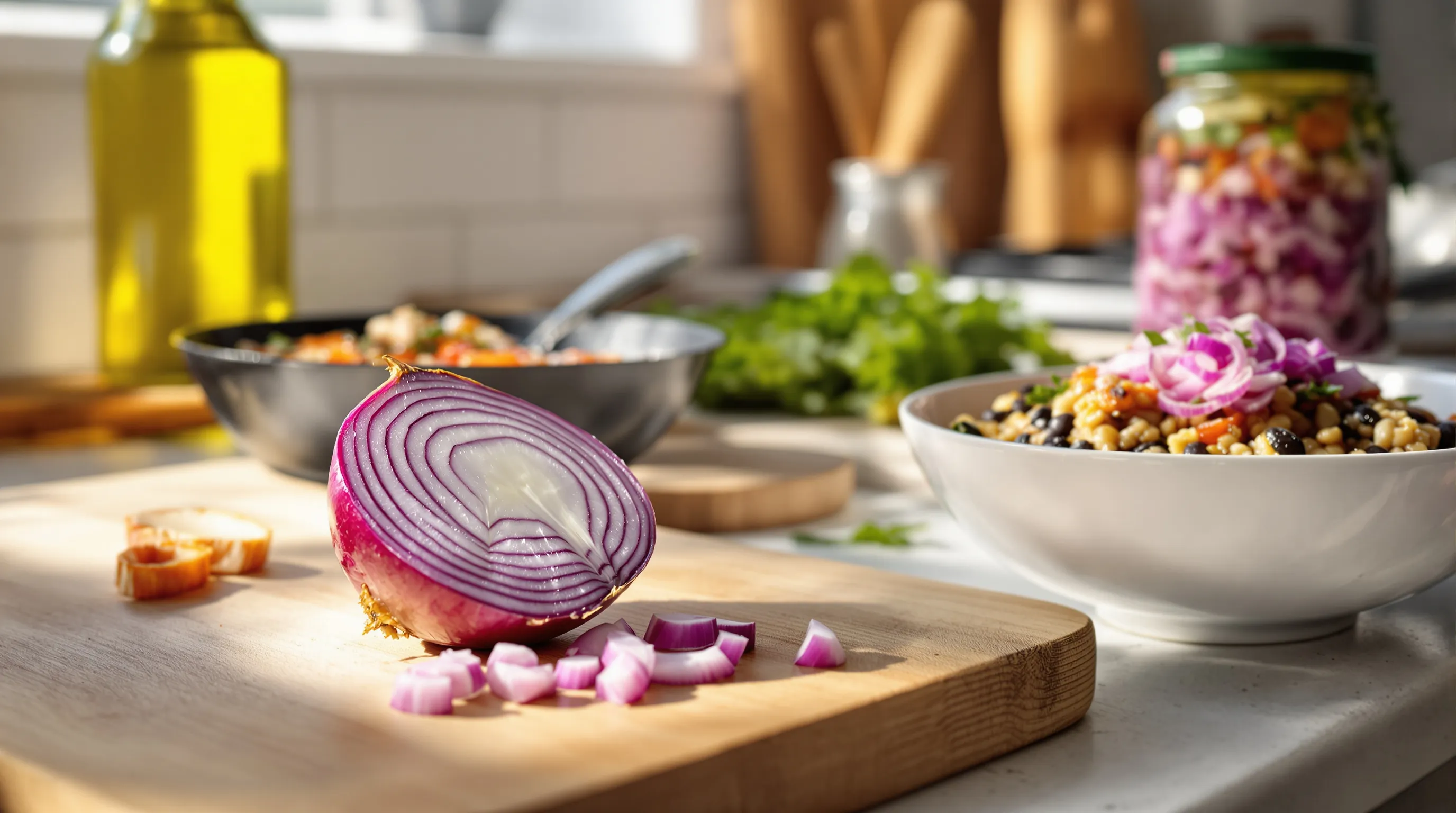
Onion flavonoids and sulfur compounds may help lower total and LDL cholesterol and reduce platelet aggregation, fancy talk for less “stickiness” that can lead to clots. Some data also point to better blood vessel relaxation. Real-world benefit: regularly cooking with onions (especially raw or lightly cooked) can support overall cardiovascular health alongside other smart habits like moving daily and choosing balanced fats.
Blood Sugar Support And Metabolic Health
Onions have a low calorie cost and contain compounds associated with better insulin sensitivity and lower fasting glucose in some studies. They can also play a role in metabolic syndrome support by nudging cholesterol and blood pressure in the right direction. Translation: adding onions to fiber-rich meals (beans, whole grains, veggies, lean protein) can help steady energy and appetite.
Gut Health, Immunity, And Prebiotic Power
Those prebiotic fibers, mainly inulin and FOS, feed beneficial gut bacteria that produce short-chain fatty acids. That’s good news for digestion, immune balance, and even mood. If you tolerate onions well, working them into daily meals is an easy way to support your gut ecosystem.
Antioxidant And Anti-Inflammatory Effects
Quercetin and friends help neutralize free radicals and dial down low-grade inflammation, two background processes tied to chronic disease. You don’t need megadoses: regular, consistent intake from whole foods makes the difference over time.
Weight-Friendly Flavor With Fewer Calories
Flavor is a secret weapon in weight management. Onions add depth and “savoriness” without many calories, helping you lean on less oil, sugar, or heavy sauces. Caramelized onions, roasted wedges, quick-pickled slices, each brings big taste for a tiny energy cost.
Raw Vs. Cooked, Red Vs. White: What To Know
What Changes With Cooking
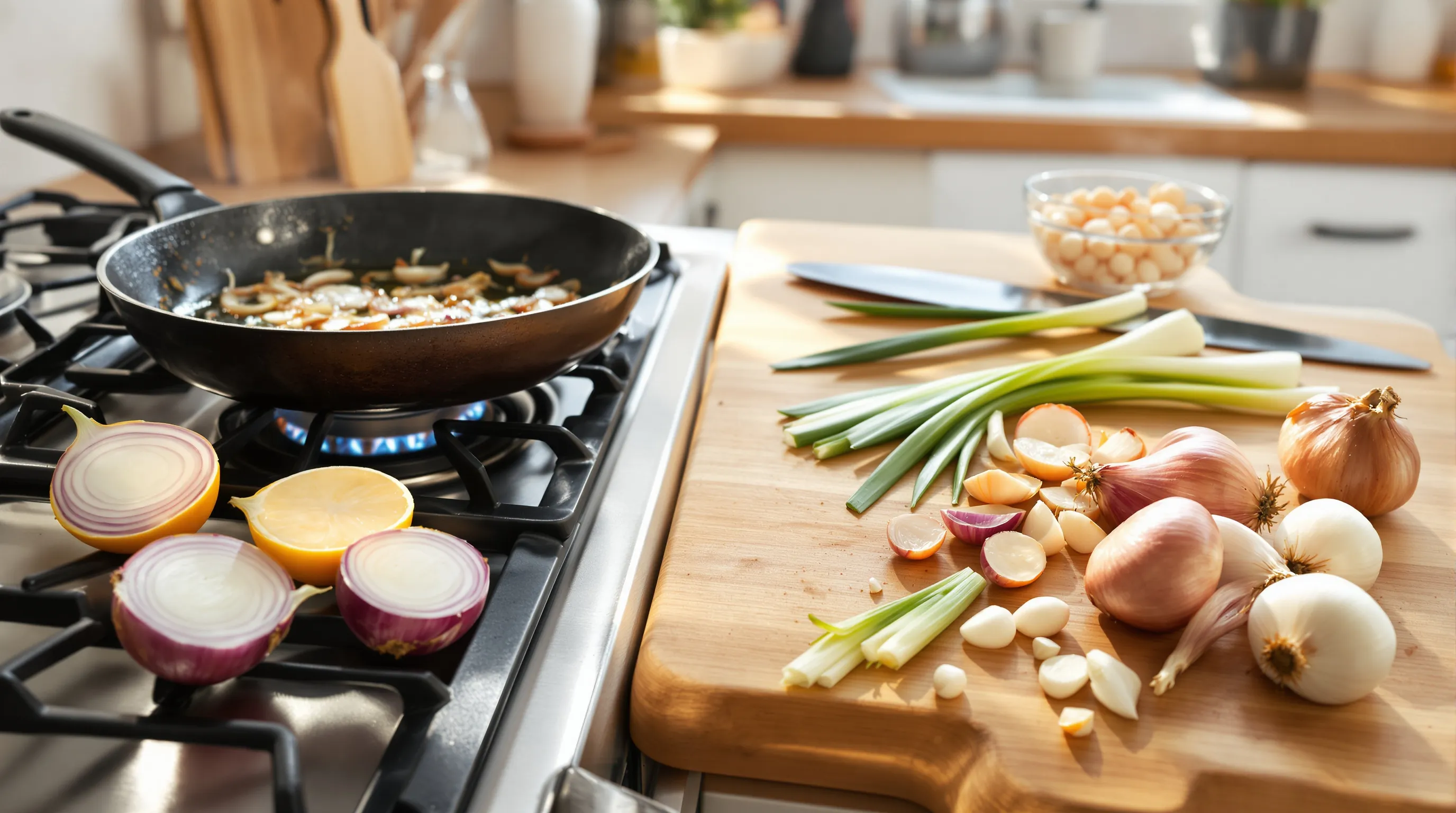
Heat softens onions’ bite and sweetness blooms. Cooking keeps many antioxidants but can reduce some sulfur-related benefits (those heart-healthy, anti-platelet effects are strongest with raw or lightly cooked onions). If raw bothers your stomach, cooked is still a win, tastier, gentler, and plenty nutritious.
Choosing The Right Variety For The Job
- Red and yellow onions: typically higher in quercetin and overall antioxidant capacity.
- White or sweet onions: milder, great when you want less bite.
- Shallots: delicate, slightly sweet: lovely raw in dressings.
- Scallions/green onions: fresh, grassy flavor: easy on digestion for some.
Use what you like and will actually eat. Consistency beats perfection.
Simple Ways To Add Onions To Your Day

Quick Swaps And 10-Minute Ideas
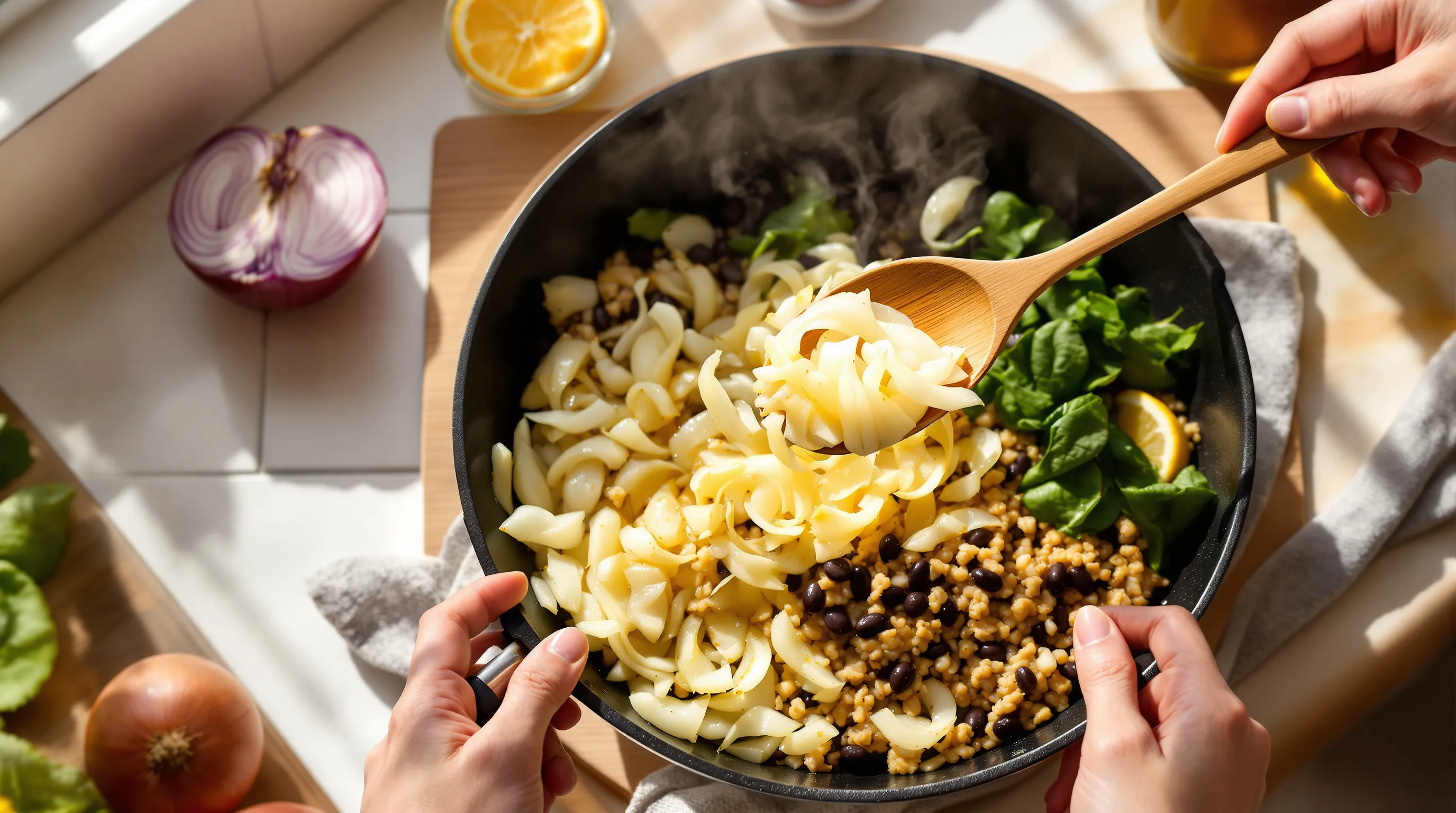
- Sauté + stir: Soften sliced onions in olive oil for 5–10 minutes: add canned beans, a handful of greens, salt, and lemon. Done.
- Egg upgrade: Fold caramelized onions into an omelet with spinach.
- Speed salsa: Diced red onion, tomato, cilantro, lime, pinch of salt, on tacos, eggs, or grain bowls.
- Sheet-pan helper: Roast onion wedges with carrots and chicken thighs.
- Quick pickle: Thin-slice red onion, cover with equal parts vinegar and water, pinch of salt and sugar: 30 minutes in the fridge.
Make It Gentle: How To Reduce The Bite
- Soak sliced onions in cold water or a splash of vinegar for 10 minutes.
- Choose sweet or well-cooked onions if raw is too sharp.
- Pair raw onion with fat (avocado, olive oil) and acid (lemon, vinegar) to soften flavor.
Smart Buying, Storing, And Tear-Free Prep
- Choose firm, dry bulbs with papery skins: skip soft spots or sprouting.
- Store whole onions in a cool, dry, ventilated spot (not next to potatoes). Refrigerate cut onions in a sealed container and use within 3–4 days.
- Tear less: use a sharp knife, chill the onion 10–15 minutes, and cut near airflow (stovetop fan or open window). Breathing through the mouth also helps, odd, but it works.
When To Skip Or Limit Onions
IBS Or Low-FODMAP Considerations
Onions are high in FODMAPs and can trigger bloating or pain for people with IBS. If you’re sensitive, try using the green tops of scallions, a garlic- or onion-infused oil (FODMAP-friendly), or simply cook onions thoroughly and keep portions small. Work with a dietitian if you’re experimenting with a low-FODMAP plan.
Reflux, Allergies, And Medication Notes
- Reflux/heartburn: Raw or very pungent onions can worsen symptoms. Try cooked, milder varieties, or skip them on problem days.
- Allergy/intolerance: Rare but real. Any hives, breathing trouble, or severe GI symptoms, avoid and consult a clinician.
- Blood thinners: Onions (especially raw, pungent types or concentrated extracts) have anti-platelet effects. Food-level intake is usually fine, but if you use anticoagulants or plan high-dose supplements, check with your healthcare provider.
Food Safety And Storage Tips
- Discard moldy or off-smelling bulbs.
- Refrigerate leftovers promptly: don’t leave onion-rich dishes at room temp for long periods.
- Clean cutting boards and knives, onions can hold onto odors that transfer to fruit or desserts.
Conclusion
So, are onions good for you? Absolutely. They’re low-calorie flavor boosters with fiber, vitamin C, and standout plant compounds that support your heart, gut, blood sugar, and overall resilience. If raw bothers you, cook them gently or choose milder types. If FODMAPs are an issue, try infused oils or scallion greens. Small, consistent swaps add up. Start with one meal this week and build from there.
Want more simple, practical wellness tips like this? Join the HowAboutHealthy.com community for monthly ideas you’ll actually use.